
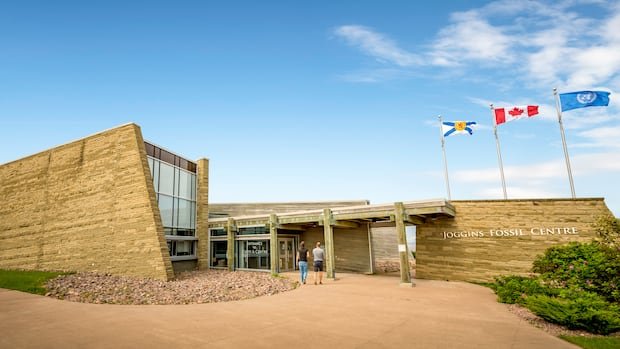
The Joggins Fossil Institute’s curator in Nova Scotia expressed deep concern over a 20% reduction in provincial funding, warning that it would severely impact operations and result in the axing of vital educational programs for hundreds of students annually.
Jade Atkins, who serves as the curator and director of science and research at the institute overseeing the Joggins Fossil Cliffs UNESCO World Heritage Site and the Joggins Fossil Centre in Cumberland County, described the funding cut as crippling. She emphasized that the institute’s outreach initiatives would be significantly hampered due to the funding slash.
According to Atkins, the provincial government is slashing the institute’s yearly operating grant by $55,000, bringing it down from $275,000 to $220,000 as part of widespread reductions across the Department of Communities, Culture, Tourism, and Heritage. This decreased funding level is even below the initial $250,000 grant received when the institute earned its UNESCO status in 2008.
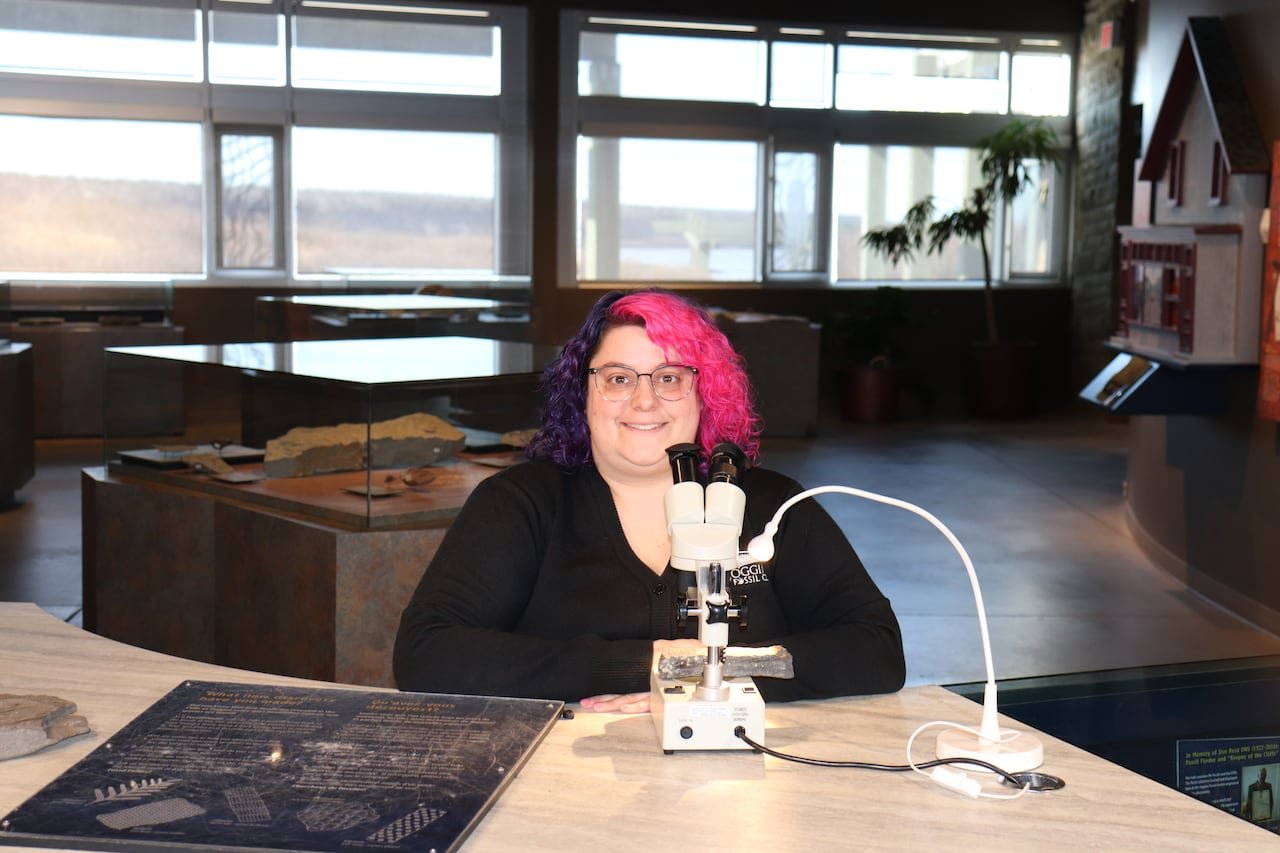
The institute, which operates with a core team of four permanent employees and hires around 10 seasonal staff from May to October, will face significant setbacks, especially in providing science education to schools and community events throughout Cumberland County.
Atkins lamented the potential loss of this critical outreach work, highlighting its value to the community. She expressed concerns about the inability to assign a monetary worth to these programs but stressed their importance.
Prior to the funding cuts, the institute was already grappling with escalating costs and long-overdue maintenance issues. Atkins pointed out ongoing problems with the heating system at the center and the necessity for annual repairs to the beach access stairs due to the strong tides of the Bay of Fundy.
In response to the situation, a spokesperson for the Department of Communities, Culture, Tourism, and Heritage stated that provincial grants are just one component of overall funding and that many organizations could adapt while continuing their operations. However, the department acknowledged that the changes might pose greater challenges for some, pledging to engage with affected parties to address their concerns.
Tourist attraction
Highlighting the economic significance of tourism, the institute underscored that in 2025, tourism contributed $3.7 billion to Nova Scotia’s economy, with visitors often citing the Joggins Fossil Cliffs as a prominent attraction. The institute welcomes over 10,000 paid visitors annually, in addition to numerous free visitors to the beach.
Atkins raised worries about the funding cuts shifting the institute’s focus towards revenue generation rather than community service. She also expressed fears that the cuts could jeopardize future fossil research in the province, potentially necessitating the relocation of important fossils for study.
Notably, the British Museum houses the province’s official fossil, Hylonomus lyelli, discovered at Joggins.
Atkins is scheduled to meet with Cumberland South MLA Tory Rushton at the end of April to address concerns about the impact of arts and culture sector cuts on tourism, a vital part of the province’s GDP.
Despite concerns about the institute’s future, Atkins remains hopeful. Recent announcements by the government hint at a potential reversal of some planned budget cuts, providing a glimmer of hope for the institute’s funding.
With the budget approval pending, Atkins is urging supporters to engage with their local MLAs, the premier’s office, and relevant cabinet ministers to advocate for the restoration of the institute’s funding.
MORE TOP STORIES

