
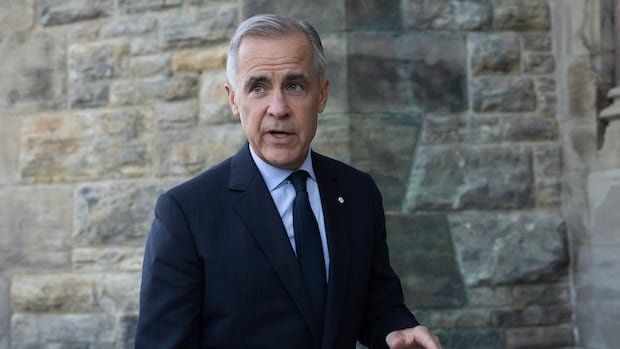
The upcoming federal budget release on November 4 will require the Liberal government to collaborate with at least one other party to secure its passage. Opposition parties are beginning to outline their expectations for the budget. Conservative employment critic Garnett Genuis proposed initiatives to address the high unemployment rate among young workers, suggesting enhancements to student assistance programs and incentives for businesses to provide housing for workers in regions with labor shortages.
While Genuis emphasized the importance of these proposals, he did not confirm that the Conservative Party’s support for the budget would be contingent on their inclusion. The Bloc Québécois finance critic, Jean-Denis Garon, presented key demands for the budget, including increased federal health transfers, infrastructure investments, housing initiatives, interest-free loans for first-time homebuyers, and OAS payment boosts. Garon asserted that these proposals are crucial for the Bloc’s backing of the budget and mentioned that most measures are self-financing.
Interim NDP Leader Don Davies also highlighted his party’s priorities for the budget, emphasizing the need for substantial investments in jobs, healthcare, and housing. Davies expressed opposition to an austerity budget and emphasized the importance of an investment-focused approach instead. As budget votes are confidence votes, failure to pass could lead to a government collapse, potentially triggering another election. Davies stated that the decision to force an election would be up to Prime Minister Mark Carney, indicating a potential scenario where opposition parties might abstain from the budget vote to avoid toppling the government.

