
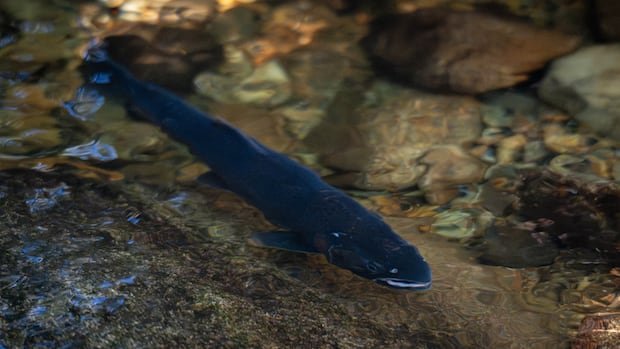
The Canadian government has allocated $412.9 million for the renewal of the Pacific Salmon Strategy, aiming to safeguard and enhance wild salmon populations. Fisheries Minister Joanne Thompson unveiled the initiative in North Vancouver, emphasizing the progress achieved in the initial five years through collaborative efforts to restore habitats, expand hatcheries, enhance management practices, and safeguard vulnerable stocks.
Thompson acknowledged the ongoing challenges faced by wild Pacific salmon and highlighted the government’s commitment to the next phase of the strategy. The renewed approach will prioritize scientific grounding, Indigenous guidance, and a collective commitment to ensure the long-term protection of salmon populations.
Conservation groups in British Columbia welcomed the funding but emphasized the importance of utilizing the resources effectively to conduct on-the-ground assessments, particularly concerning potential risks from major projects with high pollution potential. Aaron Hill, the executive director of Watershed Watch Salmon Society, expressed concerns about the environmental impact of certain resource projects on wild salmon populations if not closely monitored.
Hill also raised apprehensions about the reduction in operating budgets at the Fisheries Department, particularly during a period of potential increase in polluting activities. Maintaining core programs like stock assessment and advancing selective fishing techniques are crucial for rebuilding declining salmon populations and ensuring sustainable fisheries practices.
According to federal reports, twenty-four wild Pacific salmon populations are classified as endangered, ten as threatened, and nine as of special concern. Misty MacDuffee from the Raincoast Conservation Foundation highlighted the need to prioritize selective fisheries to mitigate risks associated with fishing practices that mix wild and hatchery stocks, posing threats to wild salmon populations.
The Pacific Salmon Strategy, initiated in 2021, has fostered collaborations among the Canadian government, B.C. and Yukon authorities, Indigenous communities, harvesters, scientists, environmental groups, and local communities along the West Coast. These partnerships have played a pivotal role in habitat restoration, combating illegal fishing activities, and establishing or upgrading over 70 hatcheries, as per the department’s statement.

