
Apple’s recent CEO transition did not catch industry watchers off guard. Tim Cook, the outgoing CEO at 65, led Apple for 15 years, steering its market cap from $350 billion to approximately $4 trillion. Speculation about a leadership change had been circulating in the media for months.
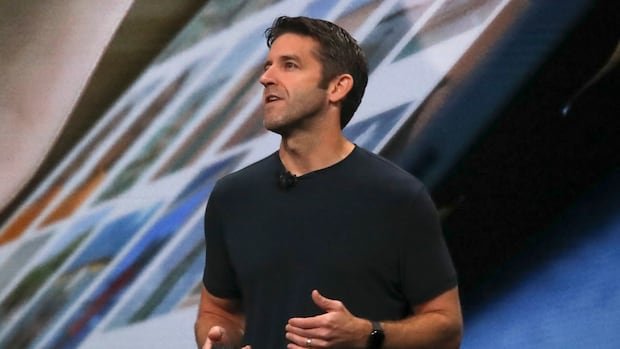
John Ternus, the incoming CEO taking over on Sept. 1, has played a significant role in recent years, often presenting at product launches. Notably, Ternus unveiled the new MacBook Neo at a recent event in New York City. According to Apple commentator John Gruber, Ternus’s increased presence in product events reflects his rising status within Apple over the past five years.
With a 25-year tenure at Apple, Ternus has been instrumental in overseeing pivotal changes for the company. From joining the product design team in 2001 to becoming vice-president of hardware engineering in 2013, Ternus has been closely involved in developing hardware for Apple’s iconic products, including iPhones, iPads, and Macs. Ternus’s contributions also extend to launching innovative products like AirPods and the recently introduced MacBook Neo, known for its durability and affordability.
Apple’s official announcement praised Ternus, acknowledging his engineering prowess, innovative spirit, and leadership qualities. Cook emphasized Ternus’s suitability for the CEO role, citing his integrity and competence.
Ternus’s most significant impact at Apple may be his role in spearheading the Apple Silicon initiative, the company’s proprietary computer chips. The transition to in-house chips, announced by Cook in 2020, allows Apple to tailor chips to each product’s specifications, enabling advanced features like enhanced noise cancellation in AirPods Pro.
According to Gruber, Ternus played a pivotal role in the Apple Silicon initiative, given his hardware expertise. Colleagues describe Ternus as a collaborative and respected leader within Apple, known for fostering strong team relationships and navigating technical challenges effectively.
Despite being less recognized publicly, Ternus’s relative anonymity presents an opportunity for him to shape Apple’s future direction freely. Analysts anticipate Ternus to adopt a leadership style akin to Cook or Jeff Bezos, focusing on internal operations rather than external promotion.
Moving forward, Ternus faces significant challenges in advancing Apple’s AI capabilities, an area where the company has lagged behind competitors. While Apple introduced Apple Intelligence in 2024, issues with widespread adoption and delays in releasing AI-powered Siri versions have hindered progress. Balancing AI development with Apple’s commitment to user privacy remains a critical concern, particularly in light of partnerships with entities like Google for AI enhancements.
Despite uncertainties surrounding Apple’s AI strategy, observers believe that Ternus’s appointment signals a continued emphasis on hardware excellence. Leveraging Apple’s reputation for premium hardware to support AI advancements could define the company’s unique approach in the evolving tech landscape.

