
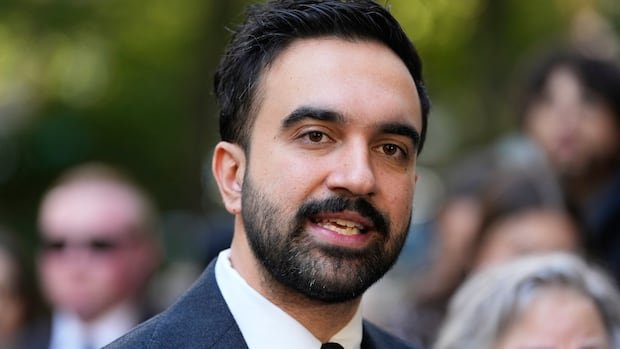
In the race for New York City mayor, speculations arise about the 34-year-old Democratic candidate poised for a clear win and potentially shaping the party’s future.
Zohran Mamdani, a self-proclaimed democratic socialist, has garnered significant attention, drawing large crowds and national media focus. While his imminent victory in Tuesday’s election is anticipated, some Republicans eagerly await the outcome, expressing concerns that his progressive stance may not resonate on a broader Democratic platform.
According to Mark Longabaugh, a former Democratic strategist, Mamdani’s candidacy injects vigor into progressive politics within the party but warns against overanalyzing its implications beyond the unique New York electorate. Longabaugh attributes part of Mamdani’s success to the tainted reputation of his main rival, former New York governor Anthony Cuomo.
Mamdani’s political trajectory, as outlined in a New York Magazine article, underscores the distinct Democratic-leaning landscape of New York City, allowing for unconventional mayoral nominations that may not be viable in less politically homogeneous settings. Despite being a political newcomer who secured a state assembly seat in 2020, Mamdani, set to become the city’s first Muslim and Indian American mayor, has centered his campaign on affordability and addressing New Yorkers’ cost-of-living concerns.
Proposing initiatives such as city-operated grocery stores, free childcare, and a rent freeze for regulated apartments, Mamdani aims to fund these programs by increasing taxes on the affluent. While facing criticism for his pro-Palestinian views and accusations of antisemitism, Mamdani has tempered some controversial stances, clarifying his position on police funding.
Polls indicate Mamdani holds a substantial lead over his contenders, Cuomo and Republican nominee Curtis Sliwa. However, his progressive policy agenda and polarizing perspectives on Israel have given Democratic leaders pause in fully embracing his campaign.
Despite support from progressive quarters critical of the current Democratic trajectory, Mamdani’s candidacy has raised concerns among some Democrats about potential negative associations with socialism. The possibility of Republican attacks leveraging Mamdani’s socialist label as a campaign strategy is a worry for some within the party.
While Mamdani’s candidacy has been lauded by supporters as a beacon of hope within the Democratic Party, others like Robert Reich criticize the party’s corporate leanings, hailing Mamdani as a transformative force within the party.
Joined by prominent figures like Bernie Sanders and Alexandria Ocasio-Cortez, Mamdani’s rally in New York signals a growing alliance of democratic socialists within the party. Ocasio-Cortez, contemplating a future Senate or presidential bid, stands to benefit from Mamdani’s success as a testament to the viability of progressive governance.
As Mamdani’s popularity offers valuable insights for Democrats nationwide, his charismatic appeal and effective communication style have resonated with voters. While not all candidates may adopt his policy prescriptions, Mamdani’s focus on affordability and economic concerns has struck a chord with voters, presenting a valuable lesson for the Democratic Party’s future direction.

