
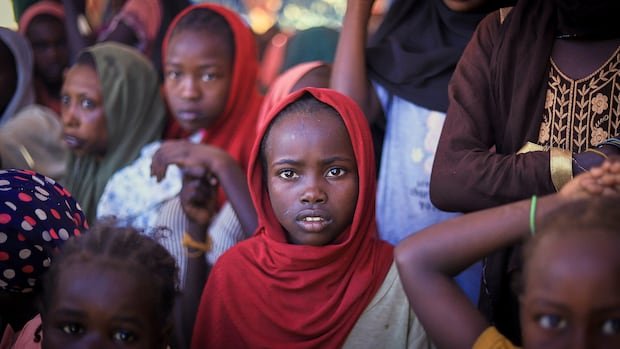
The leading expert on food crises globally has identified famine in two regions of conflict-ridden Sudan, specifically El Fasher, where paramilitary factions are reportedly engaging in mass killings. According to a recent report from the Integrated Food Security Phase Classification (IPC), famine has been confirmed in El Fasher and Kadugli, located in the Darfur area and South Kordofan province, respectively. The IPC highlights the complete collapse of livelihoods, severe malnutrition, starvation, and death in these areas.
In addition to El Fasher and Kadugli, the report indicates that 20 other regions in Darfur and South Kordofan are also facing the threat of famine due to escalating violence. El Fasher, which had been under siege by the Rapid Support Forces (RSF) for 18 months, witnessed a wave of violence and killings following the group’s seizure of the city, with reports of atrocities against civilians, including beatings, killings, and sexual assaults.
Kadugli has similarly been besieged by the RSF for an extended period, with thousands of people trapped as the group vies for control against the Sudanese military. The conflict in Sudan, ongoing since April 2023 between the military and RSF, has resulted in over 40,000 fatalities, with millions displaced and significant humanitarian challenges, including famine.
Efforts are underway to establish a humanitarian truce in Sudan, with the U.S. envoy engaging with both sides. The International Criminal Court is also working to preserve evidence following recent violence in Darfur. The IPC’s latest data indicates that around 375,000 individuals are facing famine in Darfur and South Kordofan, while millions across Sudan are experiencing severe food insecurity.
The situation in towns like Dilling mirrors that of Kadugli, but famine has not been officially declared due to data limitations. The ICRC President emphasized the urgent need for food, water, and medical aid for the trapped civilians in El Fasher. The IPC has identified other at-risk communities near El Fasher and called for a ceasefire to prevent further loss of life and mitigate acute food insecurity and malnutrition levels.

