
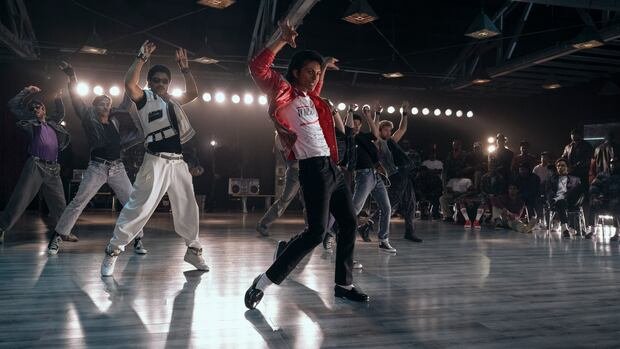
Inquisitive minds ponder the origins of Michael Jackson’s distinctive high-pitched voice, his struggles with overwhelming fame, and the impact of his stolen childhood. Curiosity even extends to questioning the existence of Janet Jackson. However, the new biopic “Michael” by Antoine Fuqua falls short of delving into the complexities of the legendary pop icon’s psyche and motivations. Instead of a deep exploration, audiences are treated to entertainment and a commendable performance by Jaafar Jackson, devoid of substantial insights into the enigmatic star.
Legal constraints led to a superficial portrayal of Michael Jackson’s life in the film. Initial allegations of sexual abuse were central in the original version, but a settlement agreement prohibited the depiction of certain characters, altering the narrative focus to MJ’s early rise to fame. Notable figures like Diana Ross, portrayed by Kat Graham, were also omitted due to legal concerns, shifting the film’s tone from a clear exoneration of MJ to a less contentious yet thematically shallow rendition.
The absence of Janet Jackson in the biopic was reportedly at her own request, possibly a strategic move to maintain her artistic and public image. Despite occasional hints at controversial themes, “Michael” sidesteps deeper exploration, opting to highlight MJ’s successes while disregarding the darker aspects of his life and career. The film’s selective portrayal of events and characters contributes to a polished but one-dimensional depiction, resonating with the broader trend in music biopics that tend to idealize their subjects.
While showcasing factual events like MJ’s charitable endeavors and unifying influence through music, “Michael” skims over or completely ignores significant aspects of his personal life, such as family dynamics and controversies. Unanswered questions linger, overshadowed by the film’s focus on MJ’s altruism and artistic brilliance. Fuqua’s interpretation of MJ’s life, though well-intentioned, may fall short of presenting a comprehensive and nuanced portrayal, leaving critical inquiries unaddressed.
In the realm of authorized biographies, the emphasis on hero worship often eclipses authentic character exploration, as seen in “Michael” and similar music biopics. The film’s inclination towards portraying MJ as a saintly figure overlooks the complexities and controversies surrounding his legacy, prompting reflections on society’s treatment of Black icons and the broader implications of idolizing flawed individuals. Paris Jackson’s critique of the biopic as a “fantasy” underscores the challenge of capturing the true essence of a multifaceted artist like Michael Jackson, urging storytellers to embrace complexity and engage with difficult truths rather than offer superficial narratives for fan gratification.

