
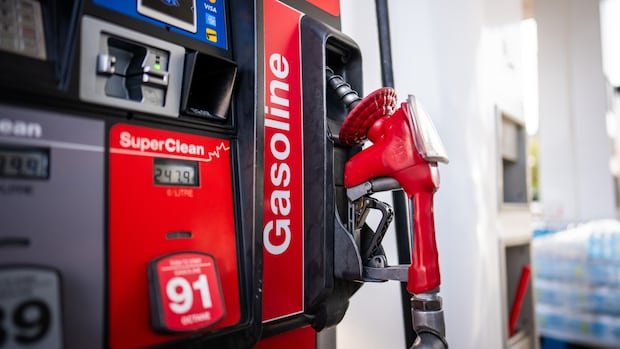
Canada’s yearly inflation rate surged to 2.8 percent in April, as reported by Statistics Canada on Tuesday, primarily driven by escalating prices at gas stations. Energy costs surged by a significant 19.2 percent year-over-year in April, following a 3.9 percent uptick the previous month.
Specifically, the cost of gasoline skyrocketed by 28.6 percent year-over-year due to supply disruptions in the Strait of Hormuz and the shift to pricier summer-grade gasoline. The ongoing conflict between the U.S., Israel, and Iran has led to the closure of the strait, causing global energy prices to rise.
Statistics Canada highlighted that the federal government’s decision to halt the fuel excise tax mid-month helped mitigate the price surge in April. High energy prices were also a key factor behind the March inflation rate increase to 2.4 percent.
Furthermore, Ottawa’s move to eliminate the consumer carbon price a year ahead of schedule skewed the annual price comparison higher in April. Removing the carbon price reduced gas prices by approximately 18 cents per liter in April 2025. Although this adjustment tempered the headline inflation rate over the past year, its absence from the annual comparison pushed inflation higher in April.
In addition to energy, clothing and footwear prices rose by two percent in April after declining by 0.4 percent in March. Rents continued to rise nationally by 3.6 percent year-over-year, albeit at a slower pace compared to the previous month, with British Columbia experiencing the slowest growth. Food inflation also eased to 3.5 percent in April from four percent in March, with items like chicken, fresh vegetables, coffee, and tea seeing slower price hikes after sharp increases earlier in the year.
On the other hand, tour travel prices dropped by 11 percent in April following an 11.5 percent increase the month before. BMO’s chief economist Doug Porter emphasized core inflation measures, which exclude volatile elements like fuel and food, showing a much slower increase compared to overall inflation. Porter pointed out that aside from gasoline and grocery costs, the inflation report indicated a soft trend, with limited inflationary pressure in other sectors.
Porter suggested that rising energy expenses might prompt consumers to hold onto their money, potentially curbing spending in other areas and exerting disinflationary effects on various industries. Grantham added that the softer core inflation figures could alleviate pressure on other sectors, potentially preventing a significant inflation surge despite the rising gas prices influencing different industries.
Overall, while gas and energy prices have surged, other sectors have not experienced similar increases, contributing to a mixed inflation landscape in Canada.

