
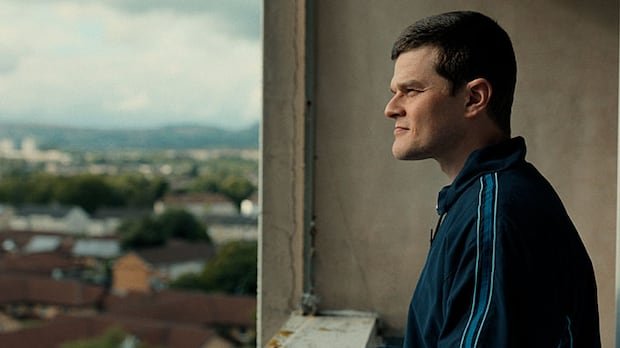
Kirk Jones embarked on the production of the movie “I Swear” with a straightforward objective. The aim wasn’t to create a blockbuster, although the film achieved notable success at various box offices worldwide. It also didn’t set out to dominate awards ceremonies, yet it surprisingly secured three wins at the recent BAFTA Film Awards. Additionally, the intention wasn’t specifically to captivate Canadian cinemas, but the Tourette syndrome biopic received glowing reviews after its debut at the 2025 Toronto International Film Festival and is now premiering in Canadian theaters.
Jones revealed that his primary goal was to do justice to John Davidson’s story, the focal point of the film. He expressed, “My main ambition has always been to make John Davidson proud of the film.” Jones further emphasized his desire to ensure that the Tourette’s community found the film respectful and representative. The positive reception from viewers indicates that these goals have been achieved.
The film vividly chronicles Davidson’s journey from being diagnosed in childhood, facing social exclusion, to gradually gaining societal acceptance and eventually receiving recognition from the Queen for his educational efforts on Tourette’s. The central theme of the movie revolves around highlighting the uncontrollable nature of the physical and verbal tics caused by Tourette syndrome and the misunderstandings stemming from the lack of awareness about the condition.
Jones has received heartening feedback on the film’s impact. Stories include a prison officer identifying Tourette’s in an inmate after watching the movie and facilitating necessary treatment. Additionally, a young boy with Tourette syndrome regained confidence to resume soccer practice after his teammates watched the film and became more empathetic. The film also led to a significant surge in website traffic for Tourette’s Action and boosted donations for Tourette Scotland following the BAFTA wins.
Despite the film’s warm reception, its completion was no easy feat. Jones discovered Davidson’s story from a documentary in 1989 and revisited it over three decades later. He worked closely with Davidson to ensure his story was portrayed authentically, even risking personal finances to self-fund the project, granting him creative autonomy. The end result was a surprise BAFTA win for Robert Aramayo’s portrayal of Davidson, defying expectations that favored other actors.
The film’s impact on public perception of Tourette’s was put to the test during the BAFTA ceremony when Davidson involuntarily uttered a racial slur, mirroring the challenges highlighted in the movie. The incident, although unintended, sparked controversy as the slur was not initially edited out of the broadcast, drawing criticism for its potential impact on marginalized communities.
Davidson issued a public apology, acknowledging the unintended consequences of his tics. Jones views the incident as an opportunity for increased understanding and compassion, echoing the film’s core message of empathy towards those with Tourette syndrome. He encourages viewers to watch “I Swear” to gain a deeper insight into the complexities and challenges faced by individuals with the condition.

