
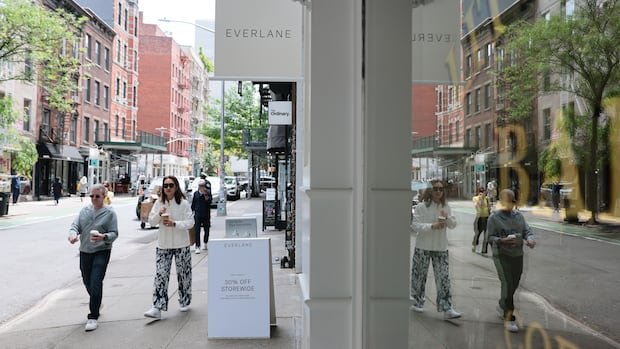
Everlane, known for its sustainable fashion and commitment to “radical transparency,” has been acquired by online fast fashion giant Shein. The sale agreement was confirmed by Everlane’s CEO, Alfred Chang, emphasizing that Everlane will continue as an independent brand dedicated to sustainability and quality. The partnership aims to leverage new opportunities while upholding their core values.
The deal, which saw private equity firm L Catterton selling its majority stake in Everlane to Shein, was reportedly valued at $100 million US. Despite Everlane’s focus on ethical production and transparency, the sale sparked backlash among loyal customers concerned about the brand’s environmental stance.
In contrast to Everlane’s sustainable practices, Shein is known for its high-speed production of thousands of new products daily at low prices, often associated with labor-intensive work conditions and concerns about toxic chemicals in their products.
The acquisition of Everlane by Shein reflects a trend where sustainable fashion brands face challenges in the market. Companies like Allbirds and Frank and Oak have struggled financially, indicating that sustainability alone may not be sufficient to attract consumers. The competition with fast fashion brands offering cheaper products poses a significant obstacle for sustainable fashion companies.
While some consumers express willingness to pay more for sustainable clothing, the reality often differs at the point of purchase. The disparity in pricing between Everlane and Shein exemplifies the challenge sustainable brands face in a market driven by cost and trends. Smaller businesses driven by ethics may hold the key to a more sustainable fashion industry, as larger companies are often influenced by profit motives.
Former Timberland COO Ken Pucker emphasizes the need for structural changes in the fashion industry to enhance sustainability. He suggests that policies holding companies accountable for their environmental impact are crucial for fostering a more sustainable fashion sector in the long run.

