
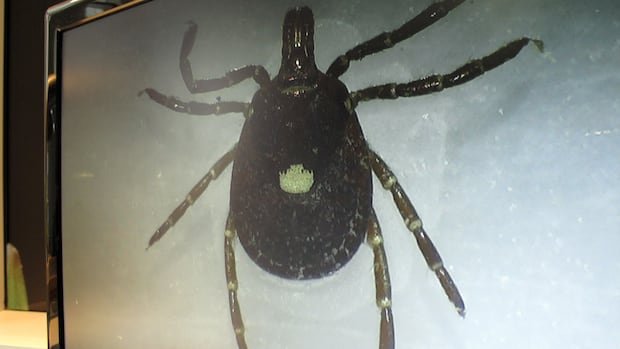
Canadians are urged to prepare for a gradual influx from the United States as different species of ticks carrying harmful pathogens seek to establish themselves in Canada. The Government of Canada reports over 40 tick species already present in the country, with the blacklegged tick, known for transmitting Lyme disease, being the most prominent. Symptoms of Lyme disease include fever, fatigue, and a distinctive “bull’s-eye” rash, potentially leading to severe complications if untreated.
Nicoletta Faraone, overseeing the new Canadian Tick Research and Innovation Centre at Acadia University in Wolfville, emphasizes the growing concern over tick-borne diseases and the lack of a Lyme vaccine. As ticks carrying various pathogens migrate from the U.S., including the lone star tick capable of causing meat allergies, the need for vigilance and education about ticks becomes imperative.
The research facility is actively studying ticks, with recent success in breeding and studying American dog ticks. The facility’s focus on understanding tick behavior and pathogens aims to enhance preparedness and develop effective preventive measures. The threat of ticks like the Asian long-horned tick, which can harm cattle, underscores the importance of proactive measures in agriculture.
While some tick-repelling products are available, further research and development are crucial, especially for rare tick-borne diseases like the Powassan virus. Faraone recommends simple precautions like wearing protective clothing and conducting regular tick checks when outdoors in tick-prone areas. The evolving tick risks necessitate ongoing research and public awareness to mitigate potential health and economic impacts.

