
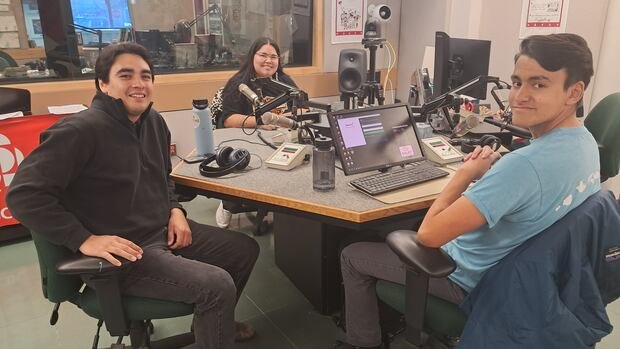
Yukon residents are gearing up for the upcoming election in just three weeks, with many individuals still evaluating their choices and seeking clarity on where political parties and candidates stand on key issues. Nancy Thomson, guest host of CBC Yukon’s “Midday Café,” recently led a discussion with a panel of young Indigenous voters to delve into their concerns during the territorial election and their expectations from the different parties. The panelists—Ethan LaVallee, Ashley Cummings, and Calum Pillai—represent varying viewpoints along the political spectrum.
LaVallee, aged 25, hails from the Ta’an Kwäch’än Council and the Dakl’awedi clan of the Teslin Tlingit Council. Cummings, aged 27, is originally from Nunavut. Pillai, aged 19 and the son of former premier Ranj Pillai, is also a member of the Ta’an Kwäch’än Council.
When discussing the primary challenge facing Indigenous youth leading up to the election, LaVallee emphasized the importance of political parties recognizing the need for increased reconciliation efforts and greater involvement of Indigenous youth in both politics and business. He expressed optimism about the progress made towards equality but stressed the necessity for sustained initiatives to empower Indigenous youth for future leadership roles.
Cummings highlighted the prevalent disenchantment among voters due to high living costs, frustrations with the healthcare system, and concerns about funding priorities such as post-mining disaster recoveries. She emphasized the urgent need for significant changes in governance to address these pressing issues and the collective burnout experienced by individuals juggling multiple jobs to make ends meet.
In a similar vein, Pillai underscored the disconnect between the political landscape and the specific needs of Indigenous youth, pointing out the challenges in finding political representatives who truly resonate with their aspirations. He emphasized the critical importance of genuine representation in politics to bridge the gap between the current political structures and the evolving needs of the younger population.
Discussing the representation within political parties, LaVallee noted the evolving diversity within Yukon’s political sphere and the growing inclusion of Indigenous voices in decision-making processes. He stressed the significance of Indigenous leadership in influencing territorial policies and the necessity of broader representation to ensure inclusive governance.
Cummings echoed the positive trend of increasing Indigenous representation in politics, acknowledging the gradual shift towards more inclusive and diverse political slates. She highlighted the importance of fostering confidence among Indigenous youth and creating pathways for their active participation in shaping the political landscape.
Reflecting on the challenges of affordability and homeownership, the panelists shared personal experiences of financial constraints and the struggle to secure stable housing. LaVallee emphasized the persistent housing crisis and the intergenerational impact of housing instability on Indigenous communities, stressing the need for sustainable solutions and support mechanisms.
Cummings and Pillai echoed similar sentiments about the daunting prospect of homeownership and the prevailing trend of prolonged rental dependence due to escalating living costs and limited affordable housing options. They emphasized the urgent need for accessible housing solutions to alleviate the financial burden on young individuals striving for independence.
In addressing party leaders directly, Cummings stressed the importance of grounding political decisions in human experiences and fostering genuine representation to address the diverse needs of the community effectively. She emphasized the desire for inclusive governance that prioritizes affordability and sustains the unique cultural heritage of the Yukon population.
The panel discussion encapsulated the pressing concerns of Indigenous youth in Yukon, highlighting the imperative for political leaders to engage meaningfully with these issues and work towards fostering an inclusive and equitable future for all residents.
Image Source: [Link](https://australiaage.com/wp-content/uploads/2026/08/default-219.jpeg)

