
N.B. Power’s request to skip the Energy and Utilities Board review process for a planned gas plant near Sackville was denied by the regulator on Thursday. In July, the utility inked a deal with a private company to handle the design, construction, operation, and maintenance of a natural gas plant for 25 years. This led the Crown corporation to argue that the project should not fall under N.B. Power’s capital projects.
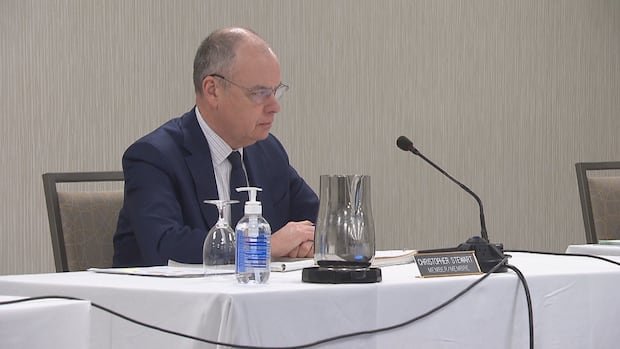
Under the Electricity Act of the province, the board is authorized to review capital projects of the Crown corporation. However, the EUB disagreed with N.B. Power’s stance, as stated by board chair Christopher Stewart in a virtual decision. The board determined that the project exposes N.B. Power to financial risks that the Electricity Act aims to address, warranting a full review.
Stewart emphasized that the arrangement does not eliminate the risk for N.B. Power and could lead to additional costs passed on to ratepayers. Reviews provide the board with the opportunity to assess the financial prudence of a capital project and allow interested parties to present their views for or against the project.
Moe Qureshi from the Conservation Council of New Brunswick welcomed the EUB’s decision, stating that it promotes accountability, benefits ratepayers, and aligns with climate responsibility. Hearing dates for the upcoming review are pending, with N.B. Power committed to submitting its application by the end of Monday.
The proposed gas plant has sparked controversy, with concerns raised about potential environmental and health impacts in the community. A recent motion by the Tantramar council sought greater engagement and a comprehensive environmental impact assessment from the provincial and federal governments and the project proponent, ProEnergy Canada.
Megan Mitton, the Green Party MLA for the area, has voiced opposition to the project, emphasizing the need for transparency regarding its costs. An open house hosted by ProEnergy earlier drew around 170 community members, highlighting worries about potential liquid effluent discharge into nearby wetlands and expected effects on groundwater and surface water quality and quantity.

