
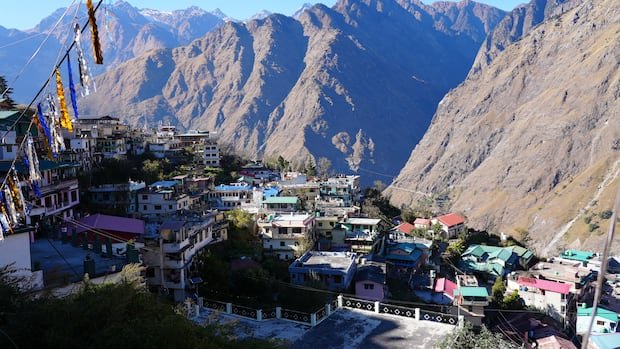
In the wee hours, Abhishek Nautiyal and his family were urgently alerted by a family friend to vacate their residence in Joshimath, a quaint town nestled in the Himalayas of Uttarakhand, Northern India. The call was straightforward: Leave immediately. The town was on the verge of sinking due to water infiltration causing severe structural damages to over 800 homes, including the one Nautiyal shared with his family.
Nautiyal, now 18, expressed his fear and academic struggles during the six-month evacuation period. He termed the situation as challenging since Joshimath is his only hometown. Post-evacuation assessments revealed severe land subsidence in late 2022 and early 2023, with significant structural deformities in homes, local establishments, and even the town’s gondola.
The sinking of Joshimath, a town of around 20,000 residents perched at an altitude of 1,874 meters in the Himalayas, has been a recurring issue, exacerbated by climate change impacts. Glacial melting and rapid glacier recession in the Himalayas have heightened the risk, with Himalayan villages facing threats from glacial lake outbursts and flash floods.
The construction boom in the region, aimed at accommodating the influx of pilgrims visiting revered Hindu sites, has further strained the fragile ecosystem. Large-scale projects, like the Tapovan Vishnugad hydropower plant, have drawn criticism for contributing to the town’s sinking. Despite warnings dating back to the 1970s and expert suggestions for better regulation and disaster mitigation, the residents of Joshimath continue to grapple with uncertainty and precarious living conditions.
As Joshimath residents, including Nautiyal and his family, navigate the challenges of residing in marked unsafe homes, the future remains uncertain. With dwindling options and a looming risk of further sinking, residents like Sashi Sundriyal find themselves torn between staying for convenience or contemplating a potential relocation. The delicate balance between heritage preservation, human safety, and environmental sustainability in the Himalayan region remains a pressing issue that demands immediate attention and strategic planning.

