
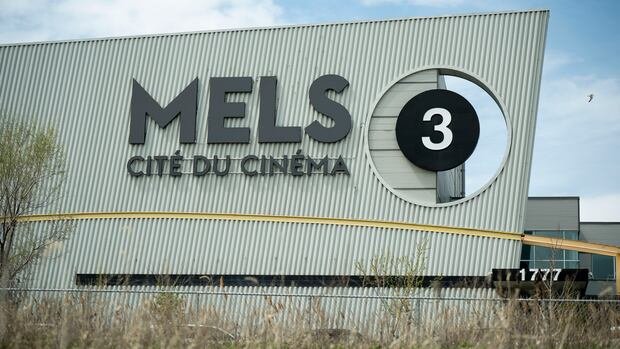
A prominent post-production company in Canada is shutting down its Quebec facility that houses one of the few film development laboratories in North America. The closure of the photochemical lab is attributed to insufficient tax incentives for attracting foreign productions to the area and a decrease in local audiovisual investments, as confirmed by Patrick Jutras, the president of Montreal’s MELS studio.
While MELS is not ceasing operations entirely, the studio is restructuring by relocating and consolidating certain post-production services to adapt to market demands and ensure profitability. Consequently, the photochemical lab and a projection room will be closed, with other post-production services being moved to a new site.
In a statement to CBC, Jutras acknowledged the sentiment attached to the analog film laboratory and emphasized the need for urgent government intervention to safeguard Quebec’s expertise in this field and revitalize the struggling local audiovisual sector.
Transition to Digital
As the film industry increasingly adopts digital production methods, MELS’ photochemical lab has been a vital resource for filmmakers working with 16mm and 35mm film formats. According to Concordia film professor Michael Yaroshevsky, MELS’ facility is one of only three “full-service” development labs in North America, capable of processing substantial amounts of film daily.
The lab’s capabilities have supported the production of various films, including notable works like Dream Scenario and Universal Language, along with several successful Quebec-made movies that have gained international recognition.

MELS photochemical laboratory in Montreal will close its doors, to the dismay of many filmmakers who used this lab for theirs movies. Filmmaker Michael Yaroshevsky started a petition asking to keep the lab open.
Following the closure announcement, Yaroshevsky initiated a petition to preserve the photochemical studio, underscoring its significance for local filmmakers. He emphasized the importance of maintaining celluloid film as a creative medium alongside digital technology.