
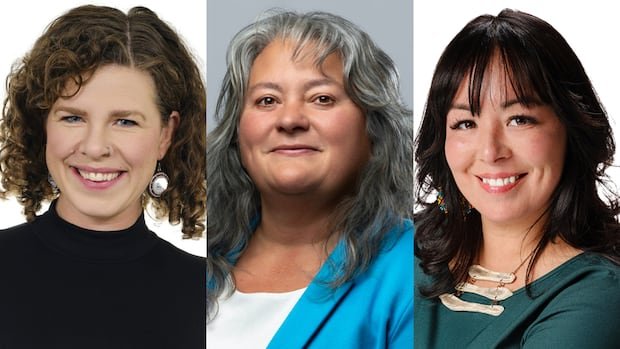
The upcoming Yukon election is seeing a rise in female candidates compared to the previous two elections. Data from each political party shows that out of the 61 candidates running, 27 are women, making up over 44% of the total candidates. The Yukon Party has ten female candidates, the NDP has nine, and the Liberals have eight.
As the nomination period has concluded, all three major parties have finalized their candidate lists. Both the Yukon Party and NDP have candidates in all 21 electoral districts, while the Liberals have candidates in 18 districts. Additionally, there is one Independent candidate in the race.
The current election has more women candidates than in 2016 or 2021. In 2016, there were 63 candidates vying for seats, with 26 of them being women. Notably, in 2016, Yukon had the second-highest proportion of women MLAs in the country, with seven women elected, including Jeanie McLean and Pauline Frost from the Liberals.
Lindsay Brumwell, the executive director of Equal Voice, a non-profit organization promoting gender representation in politics, expressed optimism about the increased female participation in the Yukon election. She highlighted that women often face barriers in politics and need encouragement to run for office.
Among the 14 First Nations candidates in this year’s election, nine are women, representing various ridings across the territory. Notably, there are three Filipina candidates running for seats in Whitehorse, but there are no Black candidates among the parties.
Yukon Party Leader Currie Dixon emphasized the intentional diversity in their party’s candidate selection process, welcoming new faces with diverse backgrounds into the team. Similarly, Cynthia James, a member of the Carcross/Tagish First Nation, is running for the Liberals in Southern Lakes, alongside two other Yukon First Nations women candidates from the party.
NDP incumbent Lane Tredger stressed the importance of diversity within their party to appeal to a wide range of Yukoners. Tredger, the first openly non-binary MLA in the territory, highlighted the need for diverse representation to truly reflect the experiences and perspectives of the territory’s residents.

