
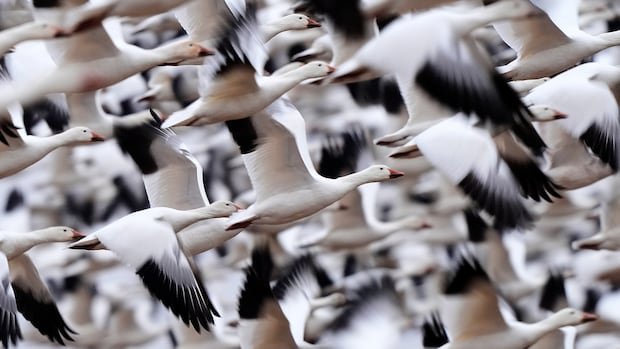
Alberta’s poultry industry is gearing up for the annual spring migration of waterfowl following last year’s severe avian flu outbreaks. The previous avian flu season was marked as the worst in years, prompting caution among producers like Scott Olson, a turkey farmer in the Wetaskiwin area. Olson is taking proactive steps to prevent the spread of avian flu to his farm, especially with the approaching arrival of migratory birds like geese.
Having faced three avian flu outbreaks since 2022, Olson understands the devastating impact of the disease. The Canadian Food Inspection Agency (CFIA) had to cull his birds in all three instances to prevent further spread. Avian influenza, naturally carried by wild birds, spreads through saliva and excrement, contaminating water and soil as birds move around.
To safeguard against avian flu, Olson strictly implements biosecurity measures on his farm. These measures include creating controlled access zones around and within barns, regulating entry, and ensuring thorough cleaning and disinfection protocols. During peak migration periods, visitor restrictions and vehicle limitations are enforced to minimize disease transmission risks.
In Alberta, there were 26 confirmed cases of avian influenza in poultry flocks last year, a significant increase from the previous years. The fluctuation in case numbers is closely linked to migratory bird behaviors. The drop in cases in recent years can be attributed to enhanced mitigation strategies and biosecurity practices within the commercial poultry industry.
While Alberta has not reported any avian flu cases in 2026, the rest of Canada has seen nine confirmed cases across several provinces. The detection of avian influenza in both wild and domestic birds emphasizes the importance of vigilance and strict biosecurity measures for bird raisers across the country.

