
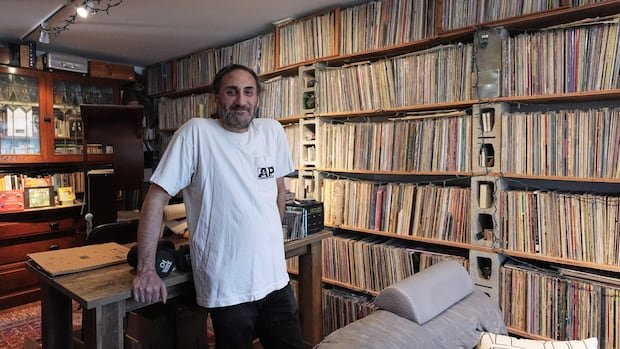
In 1989, Aadam Jacobs, a young music enthusiast, attended the debut performance of the emerging rock band Nirvana in Chicago. Equipped with a compact Sony cassette recorder, Jacobs discreetly captured the band’s raw and energetic show, predating their global fame with the album “Nevermind.”
Over the next four decades, Jacobs recorded over 10,000 concerts using increasingly advanced technology. A team of dedicated volunteers is now meticulously digitizing and uploading these recordings to the Aadam Jacobs Collection, a valuable resource for music aficionados, particularly those interested in indie and punk rock from the 1980s to the early 2000s.
The collection includes early performances by renowned artists like R.E.M., The Cure, The Pixies, and Depeche Mode, as well as lesser-known acts across various genres. These recordings, including a 1988 show by Boogie Down Productions and a 1990 Phish concert, are gradually being made available for streaming and free download on the Internet Archive.
Jacobs’ journey into concert recording began in 1984 when he started taping radio songs as a teenager. As his passion for music grew, he ventured into recording live shows, facing initial resistance from venue owners. However, his dedication and contribution to the music scene earned him acceptance and access to countless performances.
With volunteers like Brian Emerick leading the effort to digitize Jacobs’ extensive tape collection, the project aims to preserve and share these historical recordings. The meticulous process involves transferring analog tapes to digital formats, cleaning up audio quality, and meticulously documenting setlists with assistance from global volunteers.
Despite some copyright concerns, Jacobs remains committed to preserving and sharing these recordings with artists and music enthusiasts. Recognized as a cultural institution in Chicago, Jacobs’ archive continues to provide a unique glimpse into the evolution of live music performances over the past decades.
As the project progresses, Jacobs reflects on his legacy as a music fan turned archivist, grateful for the opportunity to contribute to the preservation of live music history for future generations.

