
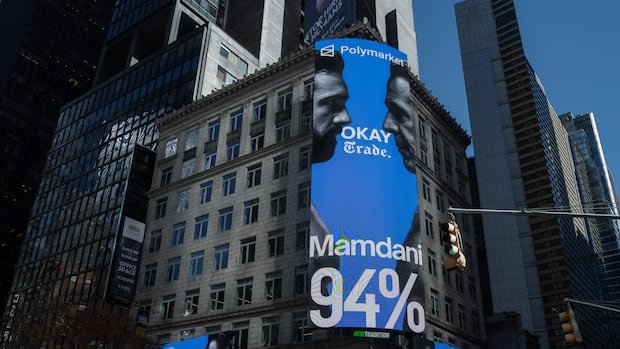
An inquiry into potential tampering with temperature sensors at Paris airport to influence online betting outcomes has brought attention to the rise of climate-related bets. Several accounts on the Polymarket platform scored significant winnings as temperatures surged by 5 degrees Celsius in a single day recently. This incident has sparked discussions on the ethical implications of platforms like Polymarket and Kalshi that offer betting options on climate-related events such as hurricane intensity and record-breaking temperatures.
Despite concerns, experts suggest that weather betting could have positive impacts on climate science and may even sway some climate change skeptics. Moran Cerf, a neuroscience and business professor at Columbia University, conducted research on how participating in prediction markets could alter individuals’ perceptions of climate change. His study involved participants betting on various climate events, such as wildfires in California, and found that engaging in these markets led to increased awareness and concern about climate change, potentially changing the views of even skeptics.
Climate change communication remains a challenge, as a significant portion of the population questions the human contribution to global warming. Polls indicate persistent skepticism, with a notable percentage of Canadians expressing doubts about the human impact on climate change. Despite ongoing climate-related challenges, skepticism prevails, necessitating innovative approaches to engage skeptics and enhance climate awareness.
Prediction markets offer a unique avenue to bridge the gap between climate science and public perception. By providing immediate feedback through real-time betting outcomes, these platforms enable individuals to witness the impact of climate events more tangibly. Mark Roulston, a climate scientist at the University of Lancaster, is leveraging prediction markets to enhance climate modeling and scientific research. By inviting research teams to partake in these markets, he aims to foster accurate predictions and incentivize further model development.
While short-term binary options are banned in Canada, Wealthsimple recently secured approval to operate select prediction markets in the country, focusing on economic indicators, financial markets, and climate trends. However, concerns persist regarding the efficacy of short-term bets in fostering a deeper understanding of climate change. Researchers caution that these platforms may prioritize engagement over education, potentially hindering efforts to raise climate awareness effectively.
Moreover, incidents of data manipulation, as seen in the Paris airport case, pose additional challenges to the credibility and utility of such platforms in promoting climate awareness. The intersection of gambling and climate prediction markets underscores the need for responsible and transparent practices to ensure that these platforms contribute positively to climate science and public understanding.

