
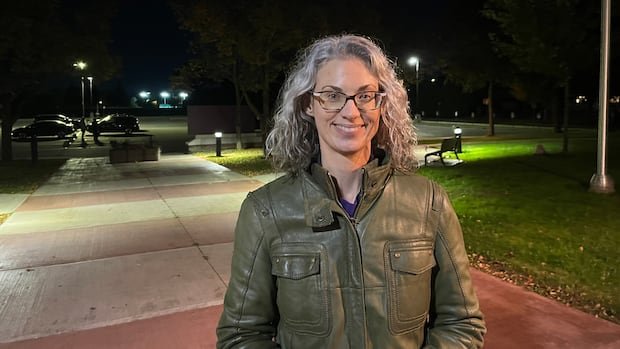
Cathy Varrette regularly participates in live streams of Ottawa-Carleton District School Board (OCDSB) committee meetings by organizing watch parties with a group of parents of special-needs children who follow the board’s special education advisory committee. However, the provincial education ministry recently directed school boards under its supervision to cease streaming committee meetings. Consequently, Varrette attended the OCDSB meeting in person to film it herself, only to be initially prohibited from filming due to a consent policy concerning recording. After a break for consultations where everyone consented, she was allowed to resume filming. Nevertheless, the board maintains its stance against live streaming by the public or media, raising concerns about transparency and accessibility.
The ban on live streaming has sparked discussions about potential human rights issues, particularly regarding the barriers it may create for individuals with disabilities who rely on virtual access to meetings. Anthony Wong, a parent and committee member, emphasized the importance of ensuring that people with various disabilities and the general public have the means to engage with meeting communications, especially when physical attendance may not be feasible. Wong, who also serves as co-chair of the Ottawa-Carleton Assembly of School Councils, stressed the significance of enabling broader participation in the decision-making processes.
Education Minister Paul Calandra defended the decision to discontinue live streaming, citing the need to maintain focused and productive meetings that prioritize student success. Calandra expressed concerns that the meetings had deviated into platforms for political grandstanding, prompting the need for a more structured and outcome-driven approach. While the ministry clarified that media recording would still be allowed, the restriction on live streams remains in place to ensure the meetings’ effectiveness.
Chandra Pasma, MPP for Ottawa West-Nepean and the NDP’s education critic, criticized the move for limiting parental oversight and involvement in decision-making processes regarding their children’s education. Pasma highlighted the significance of keeping committee meetings open to the public, especially in supervised boards, as a crucial avenue for parental engagement and transparency. The decision to halt live streams, particularly for the special education advisory committee, has raised concerns about accessibility and inclusivity, particularly for parents with caregiving responsibilities that restrict in-person attendance.
Despite requests for an interview with OCDSB supervisor Robert Plamondon, who has previously declined such requests, no response was provided for this article.

