
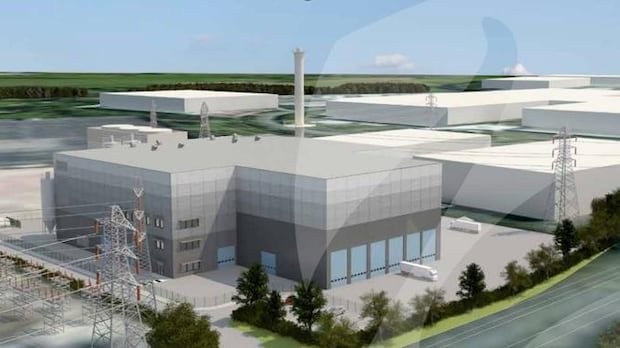
A proposed $400 million facility in Edmonton that aims to convert landfill waste into electricity is at risk of cancellation following a recent carbon tax agreement between the Alberta and federal governments. The original plan was for the national industrial carbon price to increase to $170 per tonne by 2030. However, a revised deal signed by Prime Minister Mark Carney and Alberta Premier Danielle Smith now sets the price to reach $130 per tonne by 2040.
This policy change has placed Varme Energy’s waste-to-energy project in a precarious position. The facility was designed to capture greenhouse gases and store them underground while generating carbon credits for sale. With the reduced carbon price, the value of these credits would diminish, impacting the project’s feasibility.
Sean Collins, the CEO of Varme Energy, expressed concern over the situation, stating that without additional government intervention in the coming months, the company may have to abandon the project due to financial challenges.
The agreement between Carney and Smith also includes commitments to reduce methane emissions, streamline regulatory processes for major projects in Alberta, and explore a new oil export pipeline to the West Coast. Some large industrial companies advocated for a lower carbon price to remain competitive with counterparts in the U.S., where carbon taxes are not imposed.
The lowered carbon price trajectory in Alberta is expected to hinder investments in emissions reduction initiatives, according to Ross Linden-Fraser from the Canadian Climate Institute. This shift in pricing dynamics could affect the viability of various carbon capture projects across the country.
Varme Energy, a subsidiary of a Norwegian clean energy company specializing in waste diversion projects, emphasized that its proposed initiative aligns with the government’s objectives of attracting foreign investments, reducing emissions, and promoting clean energy production. However, the revised carbon pricing scheme has raised concerns about the financial sustainability of similar projects in Canada.
Despite having agreements in place with the City of Edmonton and necessary permits, Varme Energy faces challenges due to the increased operating costs compared to the projected revenue under the new carbon price scenario. The company is appealing for support from the federal government to address the financial constraints hampering the project’s progress.
Other carbon capture companies are also feeling the financial strain resulting from the altered carbon pricing structure in Alberta. Jamie Stephen, managing director of Torchlight, highlighted the infeasibility of carbon capture and storage projects in Canada under the revised pricing framework, emphasizing the need for additional government assistance to ensure the sector’s viability.
As the federal and provincial governments implement the new carbon pricing agreement, stakeholders in the carbon capture sector are monitoring policy developments that could enhance the market opportunities for carbon credits. The sector remains hopeful that adjustments in regulations and market mechanisms will enable a more sustainable environment for carbon capture projects in Canada.
With time running out, stakeholders like Sean Collins are urging swift action to support the sector and enable the commencement of critical projects. Failure to address the financial challenges posed by the revised carbon pricing system may lead to the cancellation of essential initiatives in the near future.

