
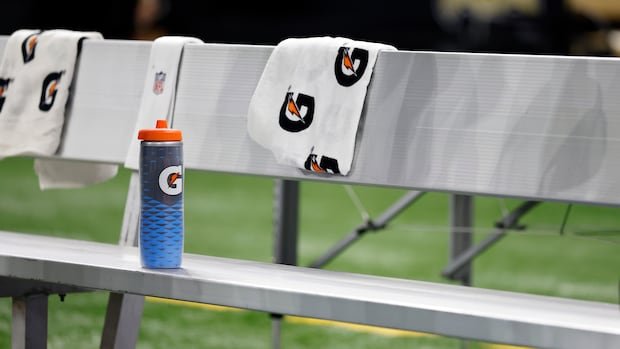
Gatorade, known for creating sports drinks six decades ago, is shifting its focus away from solely targeting athletes. PepsiCo, the parent company of Gatorade, announced plans to expand its consumer base to include non-athletes seeking hydration solutions for various everyday activities. The brand’s new packaging emphasizes the unique benefits and scientific research behind Gatorade’s range of drinks and powders.
This strategic shift aligns with the growing trend among U.S. consumers towards beverages offering perceived health advantages. According to Jack Doggett, a food and drink analyst at Mintel, a significant portion of sports drink buyers, about 60%, are not athletes but are drawn to the functional ingredients in these beverages, such as electrolytes for hydration and carbohydrates for energy. Doggett noted that consumers are increasingly using sports drinks for overall wellness and daily upkeep, with both younger and older generations embracing these products for hydration purposes.
Sales of sports drink mixes, including powders from brands like Liquid I.V., Skratch Labs, and Gatorade, saw a nearly 20% increase in the year ending March 22, as reported by Circana, a market research company. In contrast, bottled water sales remained stagnant during the same period.
Recognizing the growth potential in the market, numerous new sports and hydration brands have flooded store shelves. Mike Del Pozzo, president of U.S. beverages at PepsiCo, highlighted that over 150 new brands have entered this space in recent years, creating a competitive landscape that demands credibility and innovation. In response, Gatorade is set to introduce products clearly labeled to hydrate more effectively or rapidly than water. For example, Gatorade’s upcoming release, Gatorade Longer Lasting, combines glycerin and electrolytes to enhance hydration duration beyond that of plain water.
PepsiCo’s approach mirrors strategies adopted by competitors like Coca-Cola Co.’s Powerade, which revamped its packaging to emphasize increased electrolytes and introduced Power Water, a zero-sugar, electrolyte-enhanced drink tailored for non-athletes. Similarly, brands like Liquid I.V. and LMNT have shifted their focus towards wellness and hydration, catering to a broader consumer base beyond traditional athletes.
Gatorade, originating in 1965 from the University of Florida, continues to serve the needs of athletes with products like Gatorade Thirst Quencher. However, the brand’s recent success has also come from offerings like Gatorade Lower Sugar, which appeals to a wider audience seeking reduced sugar content and natural ingredients. Del Pozzo emphasized the appeal of lower-sugar options and the removal of artificial colors in attracting new customers to the brand.
While Gatorade remains essential for athletes, Travis Masterson, an assistant professor at Pennsylvania State University, noted that the average person typically obtains sufficient sodium from their diet. Masterson emphasized that while athletes may require additional hydration reminders due to elevated physical stress, non-athletes can rely on their natural thirst signals to maintain proper hydration levels.

