
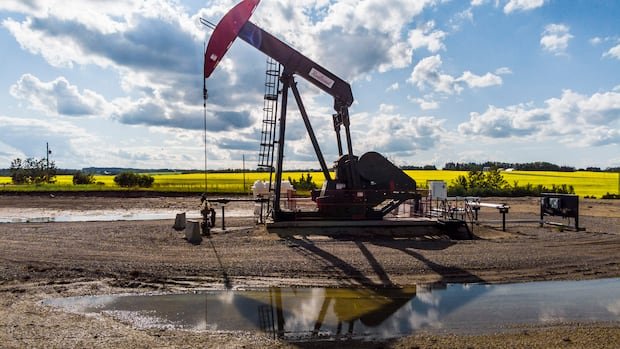
Global oil and gas demand is expected to continue growing until 2050, as stated by the International Energy Agency (IEA) on Wednesday. This projection diverges from previous expectations of a rapid shift to cleaner fuels following criticism from the United States about the agency’s focus on climate issues.
The Paris-based energy security watchdog also forecasted in its annual outlook that the global community is likely to fall short of its target to limit the temperature increase to as close to 1.5 degrees Celsius above pre-industrial levels to mitigate the severe impacts of climate change.
Under pressure from the U.S., the IEA had previously emphasized clean energy policies during the Trump administration, predicting a peak in global oil demand within this decade and advocating for a halt in investments in new oil, gas, and coal projects to achieve net zero emissions by 2050.
In its latest World Energy Outlook, the IEA projected that under a current policies scenario, oil demand could reach 113 million barrels per day by mid-century, marking a 13% increase from 2024 levels. The report also anticipates a 15% rise in global energy demand by 2035.
The IEA’s shift back to a scenario based on existing government policies, rather than aspirational climate goals, reflects varying energy policy choices made by governments worldwide, according to IEA head Fatih Birol.
On the renewable energy front, Rachel Cleetus, a senior policy director at the Union of Concerned Scientists, acknowledged significant progress in renewables and energy efficiency globally but highlighted the need for a rapid phase-out of fossil fuels alongside renewable energy growth to meet climate objectives.
Contrary to the IEA’s projections, energy analyst Wilmar Suarez from Ember believes the agency underestimates the scale and pace of renewable energy expansion, particularly in developing nations, where declining prices are facilitating cleaner electricity usage.
Moreover, the IEA’s report noted a surge in final investment decisions for new liquefied natural gas (LNG) projects in 2025. The agency anticipates a 50% increase in LNG export capacity by 2030, driven by growing demand in the power sector due to the expansion of data centers and artificial intelligence technologies.
The report also highlighted the expected rise in global investment in data centers to $580 billion in 2025, surpassing the annual global spending on oil supply. It included a scenario outlining a pathway to achieve net-zero global energy emissions by 2050, a goal aligned with the Paris climate agreement of limiting global warming to 1.5 degrees Celsius.
Despite these efforts, the IEA’s projections indicate that global temperatures will surpass the 1.5-degree Celsius target in all scenarios, underscoring the challenges ahead in addressing climate change effectively.

