
A memorial dedicated to honoring survivors and victims of residential schools in Yellowknife is now set to be located at Somba K’e Park. The construction of the monument in the Northwest Territories has been ongoing for several years, with the government of the Northwest Territories specifying the site as adjacent to the playground at Somba K’e Park in a request for qualifications.
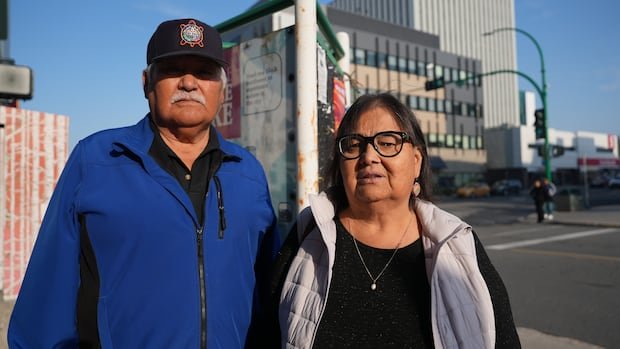
Doreen Cleary, a co-founder of We Always Remember (WAR), a group advocating for residential school survivors in the N.W.T., has been a driving force behind the establishment of the monument. She has witnessed the devastating impact of residential schools on her family, with some members never returning. Cleary expressed her desire for the monument to serve as a remembrance for her late husband and other affected individuals.
Paul Andrew, another co-founder of WAR, highlighted the importance of educating younger generations about the history of residential schools. He emphasized the need for open dialogue within families and communities, expressing hope that the monument would facilitate difficult conversations and contribute to the reconciliation process.
The monument is envisioned not only as a tribute but also as a reminder of the ongoing work needed for reconciliation. It aims to uphold the recommendations of the Truth and Reconciliation Commission, urging for substantial changes in attitudes and actions rather than token gestures.
The establishment of residential school monuments in capital cities across Canada is a key recommendation of the Truth and Reconciliation Commission. While few provinces and territories have implemented this, the N.W.T. government aims to have a memorial in place by June 2027.
With a high concentration of survivors per capita, the N.W.T. holds a significant place in the history of residential schools in Canada. Katherine Robinson, a senior advisor to the deputy minister of executive and Indigenous affairs, emphasized the collaborative approach taken with survivors in shaping the vision for the monument. Despite challenges such as wildfires and territorial elections, progress is being made on the project, with regular consultations with survivors since the beginning of the year.
Marie Wilson, a former commissioner on the Truth and Reconciliation Commission, highlighted the importance of the monument in preserving the legacy of residential schools for future generations. She described the location at Somba K’e Park as a space for healing and remembrance, designed with input from survivors to reflect Indigenous identity and provide a setting for ceremonies and gatherings.
The N.W.T. government has invited ideas for the design of the monument, calling for submissions from Indigenous artists in the N.W.T. and Nunavut by the deadline of October 17.

