
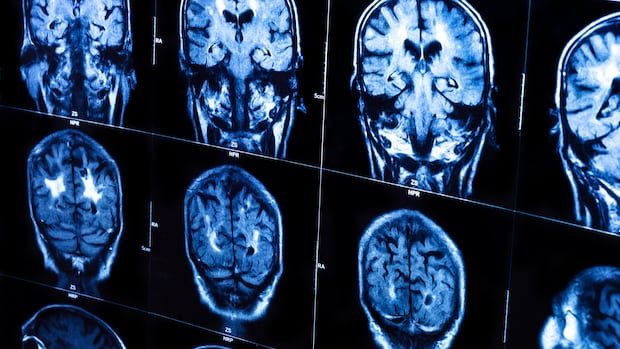
Medical professionals at London Health Sciences Centre successfully removed a pituitary gland tumor from Dave Evans, a 65-year-old resident of Owen Sound, Ontario, in a groundbreaking surgery last October. Led by neurosurgeon Dr. Neil Duggal, the surgical team navigated a delicate area near Evans’s brain, aiming to eliminate the growth causing him severe fatigue, headaches, and vision impairment. The tiny space where the tumor resided posed challenges due to its proximity to critical arteries and nerves essential for bodily functions.
Traditionally, surgical teams await postoperative MRIs to assess the extent of tumor removal and potential remnants. However, during Evans’s surgery, the team utilized the hospital’s mobile MRI mid-procedure, enabling them to confirm some residual tumor and promptly address it. This innovative approach allowed Duggal to extract nearly 99% of the benign tumor, significantly improving Evans’s prognosis.
Mobile MRI technology, although not new, is increasingly utilized in Canadian healthcare settings for various medical procedures, including tumor removal and stroke diagnosis. Dr. Duggal emphasized the transformative impact of mobile MRI in enhancing surgical precision and potentially reducing the need for follow-up interventions.
In Canada, there is a growing adoption of mobile MRI and CT scanners, driven by technological advancements and cost-effectiveness. These portable devices offer flexibility and accessibility, particularly benefiting patients in remote areas. Despite the promising potential of mobile scans in improving patient care and outcomes, further research is warranted to comprehensively evaluate their clinical efficacy.
The introduction of mobile scanning units, such as Edmonton’s mobile stroke unit, has been instrumental in providing swift and accurate diagnoses, crucial for time-sensitive conditions like strokes. Dr. Ashfaq Shuaib, a neurology professor at the University of Alberta, emphasized the life-saving impact of mobile scans in expediting treatment for stroke patients, emphasizing the critical need for rapid intervention in stroke cases.
While mobile scanners offer advantages in terms of cost and portability, challenges such as connectivity issues in rural settings and image quality concerns persist. Researchers underscore the importance of continual technological enhancements and expert interpretation of scan results to maximize the benefits of mobile scanning units. Despite these challenges, the evolving landscape of mobile imaging holds significant promise for enhancing healthcare accessibility and improving patient outcomes.

