
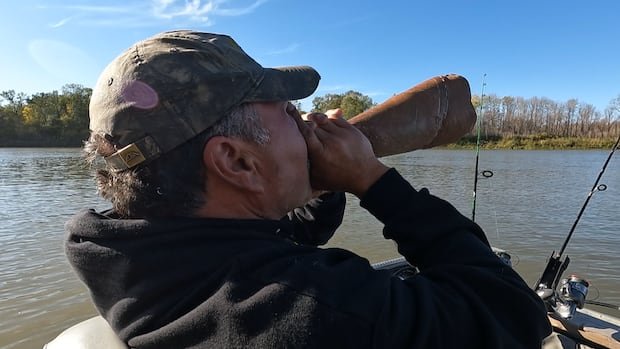
Wayne Cook Sr. reminisces about encountering approximately 10 bull moose by the river near his childhood home in northern Manitoba. However, the decline in moose sightings over the years has been alarming for him. In the past, Cook used to harvest three to five moose annually in and around Opaskwayak Cree Nation, situated about 525 kilometers northwest of Winnipeg. Nowadays, that number has dwindled to just one.
The consumption of moose meat, once a dietary staple for the community of 3,500 on-reserve residents, has transformed into a rare delicacy, according to Cook. He stands in solidarity with other First Nations in Manitoba who have prohibited licensed hunters from harvesting on their territories in recent years to preserve the moose population.
Cook attributes the diminishing moose population to habitat loss caused by nearby hydroelectric and mining projects, exacerbated by the devastating impact of this year’s intense wildfire season. He emphasizes the challenge of sharing resources when there is insufficient sustainability to support the community’s needs.
Omar Constant, a member of the Diamond Willow Traditional Hunting and Gathering Club in Opaskwayak, notes a similar decline in moose numbers over the past few decades. The club has implemented strategic measures to limit moose harvesting along the river, stressing the importance of conservation efforts originating from within the community.
The concerns expressed by Cook and Constant resonate with various First Nations groups across Manitoba, such as the ongoing legal disputes involving Misipawistik Cree Nation and Pimicikamak Cree Nation over moose hunting licenses on their traditional lands. In response to these challenges, the Manitoba Wildlife Federation has urged the province to take immediate action to address the escalating issues surrounding moose conservation and hunting regulations.

