
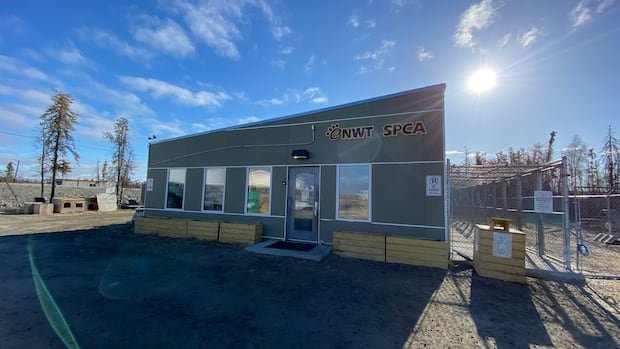
The N.W.T. SPCA is urging the territorial government to consider legally acknowledging domestic animals as sentient beings rather than mere property. Currently, under the Dog Act in the N.W.T., dogs are classified as the property of their owners. This categorization restricts authorities’ ability to intervene in cases where animal welfare is compromised.
The N.W.T. SPCA has received ongoing feedback from both residents and tourists expressing concerns about the well-being of animals in the Northwest Territories. The organization believes that the existing legislation falls short in addressing complex animal welfare issues beyond basic standards like food, water, and shelter.
Animal welfare lawyer Jennifer Friedman notes that pets are commonly regarded as property in Ontario and other Canadian jurisdictions. However, some provinces, such as British Columbia in 2024, are beginning to broaden the criteria for courts to consider when determining the fate of pets in family disputes.
The Department of Municipal and Community Affairs, which oversees the Dog Act, stated that there are currently no plans to amend the legislation. Minister Vince McKay emphasized that the act serves as a foundational document for municipalities to manage their animal-related matters, and any potential revisions would need to align with broader legislative priorities.
McKay acknowledged the calls for updating the Dog Act, highlighting the importance of balancing the need for a baseline level of protection for animals across communities while allowing municipalities the flexibility to establish more stringent regulations through their own bylaws.

