
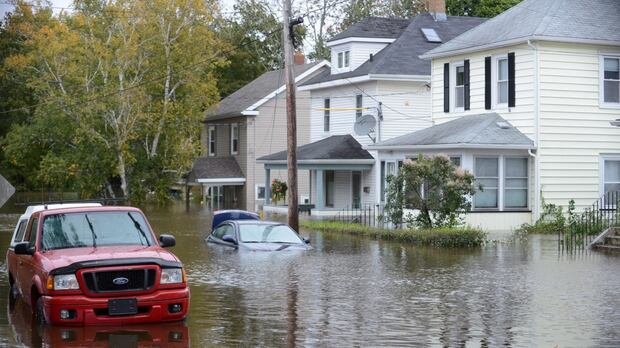
A researcher from Dalhousie University is seeking to connect with individuals in Atlantic Canada who have relocated due to climate-related risks or impacts. Robin Willcocks-Musselman, a PhD student in Dalhousie’s interdisciplinary program, is exploring the challenges and significance of relocation, particularly focusing on the emotional and psychological effects of moving away from a familiar place.
According to Willcocks-Musselman, while previous studies have examined the financial and practical aspects of relocation, there is a lack of research on the emotional toll and mental health implications. She emphasizes that disruptions to one’s attachment to a place can lead to stress, trauma, and feelings of loss, ultimately affecting overall well-being.
The global scientific consensus confirms the changing climate driven by human activities, resulting in more severe and frequent weather events that heighten vulnerabilities to various hazards like floods, fires, and heatwaves. Some regions in Atlantic Canada, such as communities along the St. John River in New Brunswick and neighborhoods in Sydney, N.S., have experienced relocation due to climate-related impacts, like flood-induced property damage.
Climate-induced relocations can be either enforced by disasters or government mandates, or voluntary as individuals recognize the risks to their properties. Terry Drohan, for example, had to relocate after his home in Sydney was damaged during a flood. The aftermath of the incident left him grappling with a sense of loss and instability, highlighting the emotional complexities of such moves beyond mere logistical challenges.
Willcocks-Musselman’s research aims to identify practical measures that policymakers can implement to support individuals relocating due to climate-related risks. She advocates for providing counseling and navigational assistance to help affected individuals cope with the changes effectively.
Participants sought for the study are individuals aged 19 and above residing in the Atlantic region who have permanently relocated due to climate risks like sea-level rise, flooding, wildfires, or erosion. The study involves online or phone interviews and in-person discussions.
Those interested in sharing their relocation experiences for the study can reach out to Willcocks-Musselman at rwillcoc@dal.ca.

