
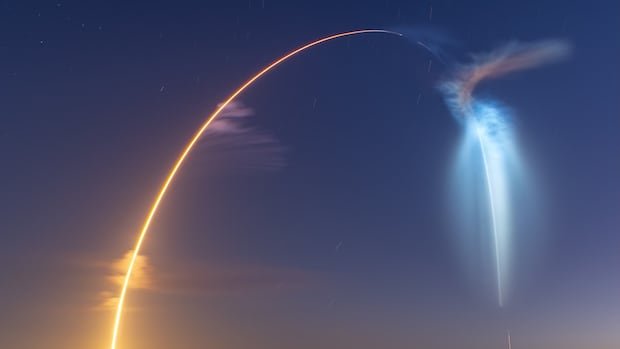
Humanity often focuses on short-term thinking rather than considering long-term issues like air pollution, deforestation, and emissions. This is why there is significant concern among scientists regarding SpaceX’s recent proposal to deploy one million satellites, which are essentially data centers, into Earth’s orbit. These concerns include potential impacts such as the loss of the natural night sky, restricted access to space, and environmental effects on our atmosphere.
Currently, there are approximately 16,000 satellites orbiting Earth, with SpaceX accounting for over 8,000 of them. The company regularly launches and deorbits satellites, contributing to the dynamic satellite count. SpaceX aims to have around 40,000 Starlink satellites in orbit to provide global internet connectivity, but the influx of satellites poses risks, especially considering the existing 140 million pieces of space debris that threaten space operations and infrastructure like GPS.
Experts, such as Aaron Boley from the Outer Space Institute, express concern about the deteriorating orbital environment due to the massive increase in satellites. The environmental impact of rocket launches, including black carbon emissions affecting the atmosphere and potential effects on the ozone layer, is a growing worry. Furthermore, the increasing number of satellites in orbit poses collision risks and interferes with both ground-based and space-based observatories.
SpaceX’s proposal to launch a million satellites has sparked widespread public concern, with over 1,000 comments submitted to the U.S. Federal Communications Commission (FCC) opposing the plan. The company claims that these satellites will have minimal atmospheric impact and plans to move some to a heliocentric orbit around the sun. However, the sheer volume of satellite reentries, if deorbited, raises further environmental and safety concerns.
The proliferation of satellites not only threatens our access to space but also impacts our daily reliance on satellite communications for various activities. The potential loss of the night sky due to an abundance of satellites and their interference with astronomical observations is alarming to researchers and astronomers. Despite efforts to address satellite brightness and collaborate with astronomical organizations, the scale of satellite launches proposed by SpaceX and other entities poses significant challenges and uncertainties for the future of space exploration and observation.

