
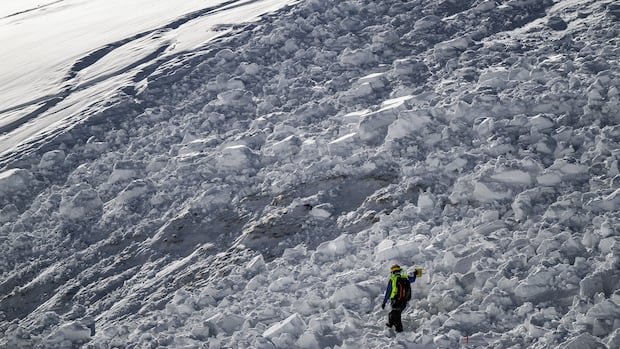
In February, fatal avalanches struck British Columbia, Alberta, California, and Utah, claiming multiple lives. Europe has also witnessed a significant number of avalanche-related deaths this season. These incidents underscore the persistent dangers of backcountry activities, emphasizing the difficulty in predicting avalanche occurrences even for experienced individuals equipped to handle such risks.
Experts shed light on the formation of avalanches, emphasizing the need for a strong layer atop a weak layer to trigger an avalanche. Factors like snowpack structure and the dynamic nature of snow and ice play crucial roles in avalanche development. Different types of avalanches exist, ranging from loose sluffs to cohesive slab avalanches, each requiring specific triggers.
Predicting avalanches remains challenging due to the unique nature of each event and the variability of snowpack conditions. Climate change is believed to have an impact on avalanche occurrences, although the exact relationship is complex and influenced by various weather factors. Changes in snow patterns and temperature fluctuations may contribute to the formation of unstable snow layers, potentially increasing risks for backcountry enthusiasts.
To mitigate avalanche risks, experts recommend thorough preparation, including checking local forecasts, acquiring proper gear, and undergoing avalanche safety training. Furthermore, establishing clear communication and decision-making protocols within group dynamics is crucial for ensuring safety during outdoor activities.

