
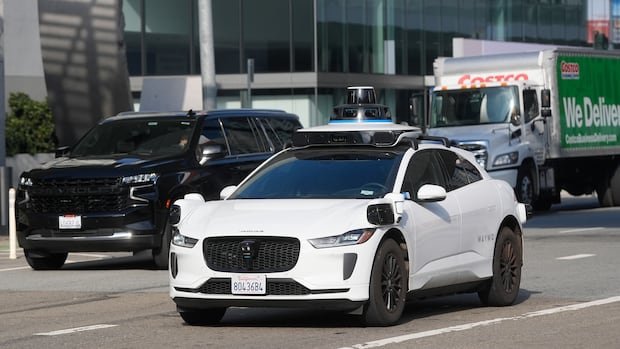
Waymo, the autonomous taxi operator, is looking at the Canadian market with a potential interest in using Toronto as a test ground for its self-driving vehicle fleet. However, the company may encounter challenges related to Canadian winters, along with political and technological obstacles as it expands northward.
Krzysztof Czarnecki, a professor at the University of Waterloo specializing in electric computer engineering, highlighted several challenges that Waymo may face in Canada. While acknowledging the benefits of testing autonomous vehicles, he emphasized that widespread deployment of robotaxis in the near future is unlikely.
Although Waymo, a subsidiary of Google’s parent company Alphabet, did not provide comments to CBC News, the Toronto mayor’s office confirmed a recent visit by representatives from the company. They indicated their intention to apply to the Ontario program, which allows for testing and demonstrations of autonomous vehicles.
Waymo’s fleet, which includes all-electric Jaguar I-PACE vehicles, is currently operational in ten major U.S. cities. The service functions similarly to popular ride-hailing apps like Uber or Lyft but without a human driver. The company has also been engaged in lobbying efforts to enter the British Columbia market, where current regulations prohibit fully automated self-driving vehicles.
Regarding safety, Waymo touts its technology as being more reliable than human drivers, with a significantly lower rate of serious accidents. However, experts like Carmi Levy caution that automated vehicles are not infallible and incidents can still occur. Despite advancements in safety, concerns remain about the technology’s impact on employment in industries heavily reliant on human drivers.
In conclusion, while the potential of autonomous vehicles is promising, challenges related to weather, regulations, and societal impacts need to be carefully addressed before widespread adoption can be achieved.

