
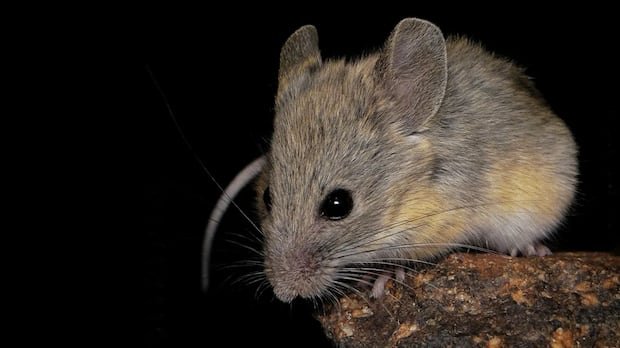
On an Andean volcano towering at 6,739 meters, where the air is thin and temperatures remain freezing, an unlikely resident thrives – a small leaf-eared mouse that feeds on toxic plants. A recent study, detailed in the journal “Science,” involving McMaster University researchers, sheds light on how these high-altitude Andean mice have evolved unique biological mechanisms. These mice can efficiently generate heat in low-oxygen environments and have adapted genetically to process harmful substances in their diet.
The species, known as Phyllotis vaccarum, has been discovered on the peak of Volcán Llullaillaco, situated on the Chile-Argentina border. Despite the challenging conditions, these mice not only survive but also exhibit the broadest elevation range of any mammal, from sea level along Chile’s coast to heights exceeding 6,700 meters in the Andes.
Researchers conducted genome comparisons and laboratory tests on mice from varying elevations to understand their heat production abilities under different oxygen levels. The study revealed that highland mice are more adept at retaining heat production in low-oxygen settings compared to their lowland counterparts. This advantage is crucial for their survival in freezing temperatures where oxygen is essential for powering muscle activity.
The highland mice’s muscle mitochondria, responsible for converting oxygen and nutrients into energy, showed a higher capacity for energy production than those of lowland mice. This enhanced energy production, fueled by lipid sources, supports the mice’s ability to shiver and maintain body warmth in cold environments.
Interestingly, the study also highlighted the mice’s adaptation to their limited food sources at high elevations. With scarce vegetation options on the slopes, genetic analysis indicated that these mice have evolved mechanisms to detoxify harmful compounds present in the plants they consume.
The remarkable resilience and adaptability of these mice at extreme altitudes serve as a testament to the tenacity of life in challenging environments. The study underscores the surprises that evolution continues to unveil and emphasizes that life can thrive in even the most inhospitable conditions on Earth.

