
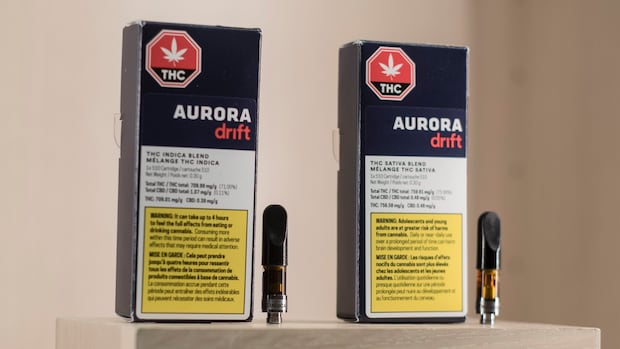
Aurora Cannabis Inc. has announced that it will evaluate a proposal from a U.S. cannabis company that aims to acquire the Edmonton-based organization.
The company disclosed the establishment of a special committee on Tuesday to review the unsolicited offer, just hours after Curaleaf Holdings Inc. indicated its intentions to present a bid to buy all shares of its target.
If the acquisition succeeds, it would result in a merged cannabis entity with operations in 17 countries, including regions across Europe, North America, and other global markets, according to Curaleaf.
Based in Stamford, Connecticut, Curaleaf, which is listed on the Toronto Stock Exchange, stated it is making its intentions public after several unsuccessful attempts to negotiate privately with Aurora’s management.
Curaleaf noted that Aurora’s board declined to discuss the matter after CEO Boris Jordan sent a formal letter of intent on June 23 detailing the proposal. A follow-up letter was sent on July 7, but Aurora has remained “unwilling to engage in constructive discussions” since then.
“We were very disappointed that the board refused to meaningfully engage. We will now take our proposal directly to Aurora shareholders because the premium is significant, the strategic rationale is compelling, and further delay is unjustified,” Jordan remarked in a press release.
“Curaleaf is still eager to engage constructively with Aurora’s board to facilitate this value-maximizing transaction, and we are ready to move swiftly towards a definitive agreement.”
Curaleaf has proposed to pay Aurora shareholders $4 US per share, along with an additional $0.75 US cash for each share.
Aurora confirmed receiving letters from Curaleaf on June 23 and July 7 regarding its acquisition proposals. However, it claimed that only the July 7 correspondence included any financial terms, which did not specify the combination of cash and share consideration proposed by Curaleaf.
The Canadian cannabis firm also disputed Curaleaf’s assertion that it had not engaged with the offer.
Aurora stated that its lead independent director communicated with Curaleaf’s CEO as recently as July 24, emphasizing that Aurora remains “focused on continuing to execute its business plan in the short to medium term” and did not discourage ongoing dialogue between the two parties.
Aurora will now establish a special committee consisting of independent directors to assess the proposal and determine its alignment with stakeholder interests.
The company cautioned that it cannot assure a deal will be finalized and will continue its regular operations in the meantime.
While Curaleaf’s interest in pursuing a bid is seen as positive, analysts from TD Cowen, Derek Lessard and Ryan Neal, highlighted in a note published on Tuesday that the current offer “undervalues the long-term potential of Aurora’s business.”
They stated, “We believe that the proposed consideration does not fully capture Aurora’s long-term intrinsic value.”
“Aurora’s market leadership in medical cannabis, its high-quality product range, robust balance sheet, and proven ability to navigate complex international regulatory frameworks position the company to generate significantly greater value over time.”
Jordan expressed that a merger would “unlock value” by integrating Curaleaf’s global distribution capabilities with Aurora’s prominent international medical cannabis operations along with its cultivation and manufacturing strengths.
According to a press release, the two companies generated over $1.5 billion US in revenue collectively within the last year, and Curaleaf anticipates that the proposed acquisition will yield at least $40 million US in annual cost synergies.
“We believe this combination represents a win-win for Curaleaf and Aurora shareholders,” Jordan stated.
“We are providing Aurora shareholders with a unique chance to be part of a more diversified global platform and enhance their exposure to favorable U.S. regulatory trends.”

