
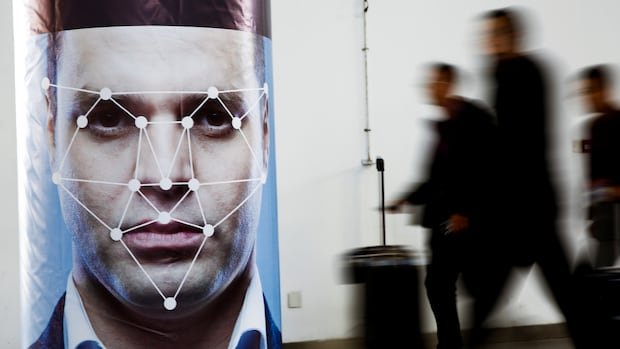
Warren Shepell had a disconcerting encounter this month while preparing to board his flight from Cleveland back to Toronto. He recounted being approached by two uniformed officers on the boarding ramp (Jetway), with one of them taking his photograph without explanation. “I was shocked. I felt caught off guard,” Shepell, a recognized Canadian psychologist, expressed. The lack of communication regarding the purpose of the photo left him feeling violated.
The practice of photographing Canadian travelers in transit is becoming standard for those visiting the United States. The U.S. Customs and Border Protection (CBP) has been utilizing facial biometrics for nearly ten years to verify the identities of international passengers arriving at U.S. airports. This process involves capturing travelers’ photos and employing biometric facial comparison technology to confirm their identity against the photo on their travel documents.
CBP is now expanding this program to include collecting images of departing passengers at all international U.S. airports. The agency also intends to implement photo capture for travelers entering and exiting the country through sea ports and land borders. The full integration of facial biometric technology at land borders is anticipated next year, with complete implementation at sea ports and airports projected within the next three to five years.
The U.S. Department of Homeland Security (DHS) recently introduced a new rule mandating non-U.S. citizens, including Canadians, to participate in the facial biometrics program. While the regulation, effective from December 26, stipulates that the photos of foreign travelers will be retained in a DHS database for up to 75 years.
Despite the expansion of facial biometrics, concerns about privacy persist. Jeramie Scott from the U.S. Electronic Privacy Information Center raised apprehensions about potential misuse of the technology due to the absence of federal laws regulating facial biometrics in the U.S. The concern is amplified by instances of personal data misuse by the administration in identifying and deporting unauthorized immigrants.
To address privacy concerns, CBP affirms that they retain photos of U.S. citizens for a maximum of 12 hours and offer the option to opt out of facial biometrics by requesting a manual inspection. However, as of the implementation of the new DHS rule on December 26, Canadians will no longer have the opt-out option.
Aware of CBP’s plans, Shepell is reconsidering future travel to the U.S. and advocates for advance notification to air passengers about the photo capture process by border officers. U.S. immigration lawyer Len Saunders expressed concerns that the mass photographing of Canadians could deter tourism to the U.S., further impacting the declining trend in Canadian travel to the country.
Since President Trump’s tenure, Canadian travel to the U.S. has declined, partly due to trade disputes and controversial statements. Despite potential further declines over facial biometrics concerns, it is unlikely the Trump administration will prioritize addressing tourism-related issues, as per Saunders.

