
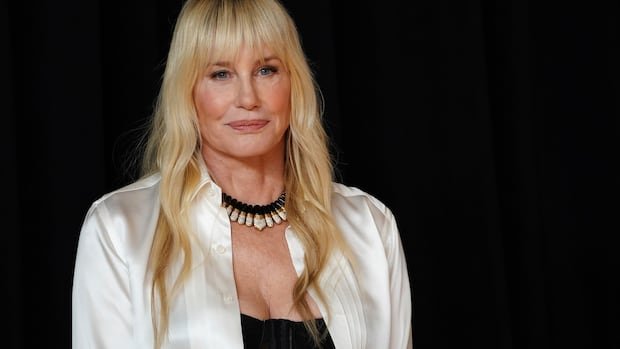
Daryl Hannah strongly criticized the recent television series depicting the relationship between John F. Kennedy Jr. and Carolyn Bessette, labeling the portrayal of her character as inaccurate, harmful, and misogynistic. In her guest essay published in the New York Times, she questioned the depiction of her in the show titled “Love Story: John F. Kennedy Jr. & Carolyn Bessette,” which romanticizes the couple’s love story and tragic end in a plane crash in 1999.
Hannah, who had a relationship with Kennedy before his marriage to Bessette, emphasized that the character based on her in the series, played by Dree Hemingway, does not represent her life or interactions with John accurately. She refuted specific actions attributed to her character in the show, such as drug use, pressuring someone into marriage, and other false behaviors.
The actress further expressed her disappointment in having to defend herself against the television portrayal, highlighting that the series’ depiction of her was far from the truth. While Hannah’s objections were personal due to her inclusion in the show, others have also criticized the production for profiting off the Kennedy family’s history in an inappropriate manner, including Jack Schlossberg, Kennedy’s nephew.
Hannah quoted statements from producer Nina Jacobson, who indicated that her character was intentionally positioned as an adversary to the central love story between John and Carolyn. Despite Jacobson’s claims of portraying characters with compassion and complexity, Hannah felt misrepresented and criticized the show for its portrayal of her as an unsympathetic character.
Reflecting on her current endeavors in environmental advocacy and documentary filmmaking, Hannah emphasized the importance of maintaining her reputation for continuing meaningful work. She shared advice from Jacqueline Kennedy Onassis about dealing with media scrutiny and highlighted the shift in the digital age where false information can persist online indefinitely.
Additionally, Hannah pointed out the underlying misogyny in pitting women against each other in popular culture, questioning the need to undermine one woman to uplift another. Her essay concluded with a strong stance on standing up against misrepresentation and advocating for accurate portrayals in media narratives.

