
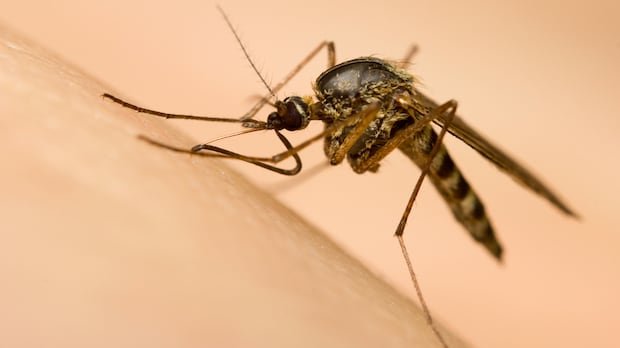
Recent heavy rainfall in Edmonton has led to a surge in mosquito activity, with swarms expected to emerge soon. Following a month of record precipitation in the capital region, a significant increase in mosquito populations has been observed. Mike Jenkins, a senior scientist and pest management coordinator with the City of Edmonton, highlighted that the current mosquito numbers are the highest seen in several years. The prolonged heavy rains in early June, coupled with a severe deluge over the past weekend, are anticipated to further boost mosquito populations due to the saturated ground creating ideal breeding conditions. Jenkins mentioned the possibility of multiple generations of mosquitoes coexisting as a result.
The prolonged dry spell in Edmonton has caused dormant mosquito eggs to awaken and hatch, contributing to the surge in mosquito numbers. Female mosquitoes typically lay their eggs in moist soil or standing water, with some species hatching quickly while others wait for optimal flooding conditions. Once activated, the newly hatched females will seek blood meals, leading to a significant increase in mosquito activity. The recent rise in mosquito populations can be attributed to the activation of dormant eggs by the recent rainfall.
City authorities are actively working to control the mosquito population by targeting known breeding sites such as roadside ditches and swampy areas near parks and trails. These efforts are crucial as mosquito numbers are expected to rise drastically post-rainfall. Jenkins emphasized the importance of preventive measures such as covering up and eliminating standing water to reduce mosquito breeding grounds. Additionally, the presence of a new mosquito species, Culex pipiens, known to carry the West Nile virus, poses a heightened health risk in the region.
To combat disease transmission and nuisance biting, the city’s mosquito control program focuses on larval control using biological larvicides rather than adult mosquito spraying. The program aims to prevent disease transmission by targeting specific mosquito species known to carry pathogens. As mosquito numbers continue to rise, it is vital for residents to take precautions to minimize exposure to mosquitoes and reduce the risk of mosquito-borne illnesses.

