
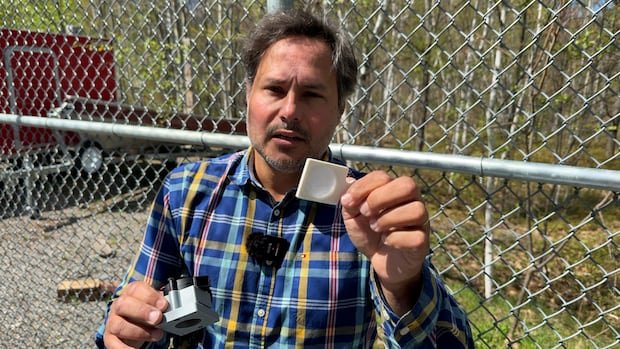
A researcher from Laurentian University is preparing to initiate a research endeavor using honey bees to assist in remediation efforts at the Côte Gold Mine near Gogama, Ontario. Mateus Pepinelli secured a $100,000 grant from IAMGOLD to collaborate on a two-year research initiative. The bees will gather environmental DNA from areas being rejuvenated by the company around the mine site.
Describing honey bees as research aids, Pepinelli highlighted their role in data collection for the project. During the upcoming summer, Pepinelli and a team from IAMGOLD will establish three apiaries in the vicinity of the mine’s remediation sites.
At each apiary, a small fan with a filter will be installed to capture traces of DNA transported by the bees into the hive. Pepinelli explained that this method enables the extraction of environmental DNA for subsequent laboratory analysis. The collected data encompasses a wide array of information, including various plant species, micro-organisms, pathogens, and unwanted elements like varroa mites.
Jessica Tratnik, IAMGOLD’s environmental and social governance lead at the Côte Gold Mine, emphasized the significance of the data obtained from the honey bees in evaluating the progress of rehabilitation efforts. This data offers insights into ecological changes over time, enabling the identification of potential shortages in plant species or pollination issues.
Tratnik underscored the efficiency of using bees to consistently monitor and provide valuable information on ecosystem dynamics. This method ensures a continuous assessment of landscape changes, which might otherwise go unnoticed over time. With over 20 years of operation ahead, the Coté Gold Mine is viewed as a long-term endeavor, reinforcing the need for ongoing land rehabilitation efforts to ensure a timely restoration of eco sites.

