
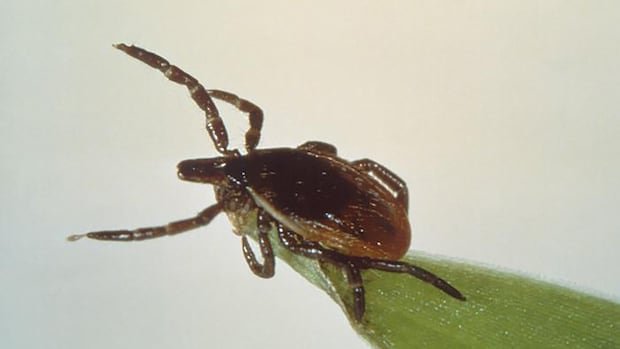
Climate change is causing ticks to move into new regions in southern Canada, with experts predicting their continued spread. Until the 1990s, disease-carrying ticks were not a major concern in Canada, but now various species are migrating north from the United States at a pace of 35 to 55 kilometers annually. According to Katie Clow, an assistant professor at the University of Guelph, areas in southern Canada currently without ticks are likely to experience their emergence within the next decade.
The introduction of Lyme disease, which is transmitted by blacklegged ticks, was first reported in southern Ontario in 1989. These ticks, also known as deer ticks, have since been identified in all other Canadian provinces. Additionally, Alberta and Saskatchewan have reported encounters with these ticks, although the Prairies typically see more dog ticks, which pose a lesser threat but can rarely lead to Rocky Mountain spotted fever.
Health Canada indicates that Canada now hosts over 40 tick species, some of which pose significant health risks. The lone star tick, prevalent in the U.S. and sporadically found in Canada, can induce severe red meat allergies in humans. Another concern is the Asian longhorned tick, which can cause severe illnesses in cattle and has been moving northward in the U.S., raising concerns among Canadian farmers.
According to Clow, the increase in tick species has surprised many individuals, particularly in regions like north of Toronto, where ticks were previously uncommon. This year, Saskatchewan has experienced a significant tick infestation, while Montreal has recorded a record number of Lyme disease cases. While specific tick population data is unavailable, eTick.ca has reviewed over 95,000 tick photos submitted by Canadians.
The Public Health Agency of Canada has reported a substantial rise in Lyme disease cases from 2009 to 2025, with a preliminary count of 7,105 cases in 2025 compared to 144 cases in 2009. Symptoms of Lyme disease include fever, fatigue, and a distinctive rash. Clow emphasizes that the nymph stage of blacklegged ticks, occurring in June and early July, is particularly concerning due to its small size and difficulty in detection.
The proliferation of ticks in Canada has been attributed to climate change, with researchers highlighting the impact of warmer temperatures enabling tick survival and reproduction. Ticks arriving on migratory birds and other animals have found favorable conditions for feeding and breeding, leading to their year-round presence. This expansion has been further facilitated by forest fragmentation in suburban areas, which supports increased deer and rodent populations, ideal hosts for ticks.
Negar Elmieh of the B.C. Centre for Disease Control affirms the ongoing trend of tick population growth, driven by climate change-induced northward animal migration. Elmieh describes the increasing tick presence as the “new norm” for Canadians, urging the public to adopt precautionary measures during outdoor activities. These measures include maintaining clear pathways on properties, wearing protective clothing, and conducting thorough tick checks after being outdoors.
In conclusion, as ticks continue to spread across Canada due to climate change, it is essential for individuals to stay vigilant and take steps to protect themselves from tick-borne diseases.

