
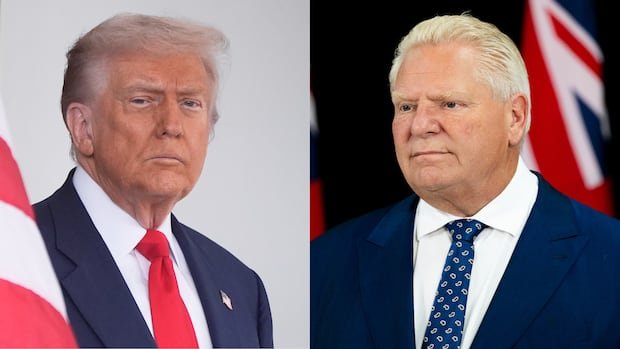
After a dispute arising from an Ontario government anti-tariff advertisement, U.S. President Donald Trump has halted trade discussions with Canada. However, Canadian politicians at various levels of government are standing by Ontario Premier Doug Ford’s strategy and are refraining from labeling the ad as a mistake.
Brampton Mayor Patrick Brown expressed support for Premier Ford’s actions, emphasizing the need to make a statement that garners attention. The advertisement, featuring quotes from former U.S. President Ronald Reagan, has stirred controversy, leading Trump to terminate trade talks and threaten a tariff increase.
Despite Trump’s claims of fraudulence, Canadian officials view the ad as impactful in highlighting inconsistencies and defending Canadian interests. Treasury Secretary Scott Bessent criticized Ford for allegedly meddling in U.S. affairs, while British Columbia Minister of Forests Ravi Parmar praised the effectiveness of Ontario’s ad campaign.
Ontario’s decision to withdraw the ad following its airing during a major event has sparked discussions on the next steps for Canada. Liberal House leader Steven MacKinnon commended Ford’s patriotism and stressed the importance of maintaining dialogue with the U.S. government.
As Canada navigates the aftermath of the trade dispute, former deputy chief of staff Brian Clow suggested diplomatic efforts to address the situation. Frank McKenna, a former ambassador to the U.S., speculated that Trump’s actions might be a tactic to reset negotiations.
In light of these developments, Canada’s focus remains on reinforcing trade relationships and diversifying economic partnerships beyond the United States. The ongoing efforts aim to safeguard Canadian interests while seeking mutually beneficial agreements.

