
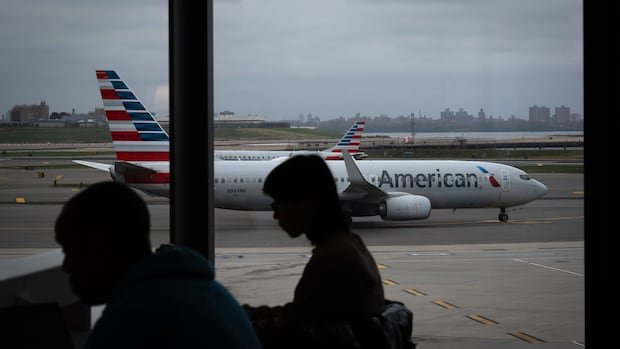
U.S. air travel faced significant disruptions on Sunday with over 2,700 flights cancelled amid concerns raised by U.S. Transportation Secretary Sean Duffy about potential further slowdowns if the federal government shutdown persists into the upcoming Thanksgiving travel season. The ongoing slowdown at 40 major airports has entered its third day, causing growing disruptions. The U.S. Federal Aviation Administration (FAA) mandated flight reductions at the busiest airports due to some unpaid air traffic controllers not reporting to work.
On Sunday alone, more than 10,000 flight delays were recorded, marking the highest daily number of disruptions since the government shutdown commenced. The FAA initiated reductions starting at four percent on Friday, which are set to escalate to 10 percent by November 14, impacting all commercial airlines between 6 a.m. and 10 p.m. local time.
The Hartsfield-Jackson International Airport in Atlanta saw the highest number of cancellations on Sunday, exceeding 570, followed by Newark Liberty International Airport in New Jersey with at least 265 cancellations. Weather conditions, including freezing warnings in Georgia, could have also contributed to disruptions.
Travellers like Kyra March experienced delays and cancellations, reflecting the challenges faced by passengers. Meanwhile, airports such as Detroit Metropolitan Wayne County Airport in Michigan witnessed minimal activity due to delays and cancellations affecting departure and arrival schedules.
U.S. Transportation Secretary Sean Duffy cautioned that the situation could worsen if the shutdown persists, potentially leading to additional flight cuts of up to 20 percent. He highlighted the impact of unpaid controllers on air travel, especially during the upcoming Thanksgiving holiday period. Duffy emphasized the need for prompt resolution to prevent further disruptions.
Moreover, the government’s shortage of air traffic controllers, exacerbated by the shutdown, has led to increased retirements among controllers. Efforts to address staffing issues, including potential military assistance, are being explored. Despite challenges, the focus remains on ensuring the safety and efficiency of air travel amid the ongoing crisis.

