
After a recent change in government leadership in Newfoundland and Labrador, there is uncertainty surrounding the province’s significant hydroelectric agreement with Quebec. The Churchill Falls MOU, a tentative deal signed last December to replace the longstanding 1969 contract, is under scrutiny. This new agreement includes plans for various hydroelectric projects, notably the Gull Island project scheduled for completion in 2035. Additionally, Newfoundland and Labrador Hydro and Hydro-Québec intend to construct a second plant at Churchill Falls and enhance production at the existing Churchill Falls complex.
With the Progressive Conservative party securing a majority government under Tony Wakeham’s leadership, questions have arisen regarding the future of the hydroelectric deal. Wakeham has stated that any decision pertaining to the Churchill River deal will be subject to voter approval through a referendum. He emphasized the importance of developing local resources to benefit communities while ensuring transparency and accountability in decision-making.
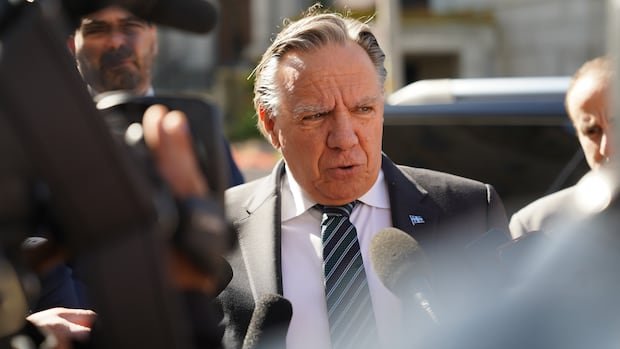
Wakeham has pledged to conduct an independent review of the agreement and will consider amending or renegotiating it if necessary. Quebec Premier François Legault has expressed support for the deal, highlighting its mutual benefits for both Newfoundland and Labrador and Quebec. He reassured continued collaboration between the provinces.
The Churchill Falls MOU is projected to generate over $200 billion for both provinces over the next five decades. Legault, in his final year as Quebec’s premier, is gearing up for the province’s upcoming election in October 2026.

