
Canada’s beef industry is safe from the threat of screwworms, but a livestock advocate suggests that the recent reappearance of the flesh-eating parasite in the U.S. serves as a timely warning for Canadian farmers and ranchers to heighten their biosecurity measures. The Canadian Food Inspection Agency (CFIA) has imposed a temporary restriction on livestock imports from affected regions in the United States following the detection of New World screwworm in a calf in Texas. The U.S. Department of Agriculture (USDA) has confirmed additional cases in Texas and New Mexico.
Although experts assure that the screwworm cannot survive the harsh Canadian winter, the Chief Veterinary Officer of the Canadian Cattle Association, Leigh Rosengren, commends the CFIA’s precautionary measures due to the potential disruptions an introduction of screwworm could cause to Canadian export markets. Rosengren stresses the importance of updating biosecurity protocols, closely monitoring animals, especially newborn cows, and maintaining a strong relationship with veterinarians to swiftly address any concerns.
Screwworm flies, which were a significant concern for cattle ranchers in the mid-20th century, were eradicated in the U.S. through a successful sterilization program. However, a recent resurgence in Central America and Mexico has raised concerns. The recent detection of screwworm in a calf in Texas marks the first appearance of the pest in the state since 1966.
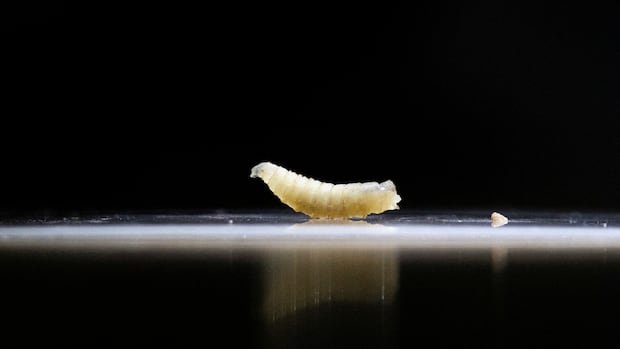
The New World screwworm’s larvae are known for consuming living tissue, posing a threat to various warm-blooded animals, including wildlife and pets. Although the flies are not expected to survive in Canada’s climate, the potential importation of the pest during warmer months could lead to prolonged harm. Efforts to ramp up the production of sterile flies are underway to combat the spread of the screwworm.
While the risk to Canadian agriculture remains low, public health experts advocate for international collaboration to eliminate the screwworm from the Americas permanently. Encouraging cooperation with South American nations, particularly in the context of trade agreements, could be a strategic approach to address the screwworm threat effectively.

