
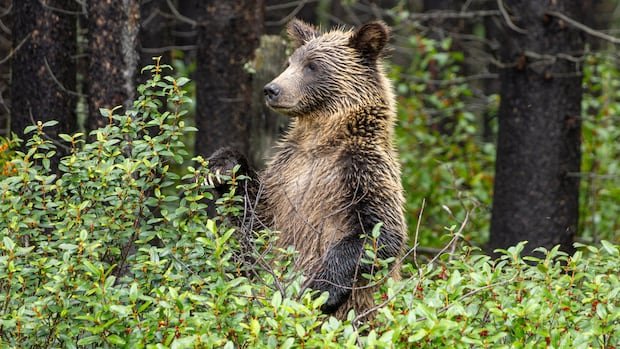
Conservation groups are disputing recent requests for the Alberta government to authorize the first grizzly bear hunting season in two decades, arguing that such calls lack scientific justification. The Rural Municipalities of Alberta (RMA) recently passed a policy resolution urging the government to establish a regulated grizzly bear hunt through a draw system. However, conservationists are emphasizing the importance of a science-based approach to grizzly bear management, citing the absence of recent population research on grizzly bears.
The Alberta Wildlife Federation has expressed conditional support for a “limited harvest” of grizzly bears, provided it aligns with a comprehensive management plan rooted in sound scientific principles. The federation stressed the necessity of sustaining the grizzly bear population while addressing human safety concerns and protecting property.
The RMA’s advocacy for a grizzly bear hunt is motivated by a perceived rise in human-bear interactions, particularly in southwestern Alberta, where incidents like a fisherman being injured by a grizzly bear near Cardston County have been reported. Despite the RMA’s resolution receiving majority support from its rural Alberta membership, conservationists are calling for more evidence to justify the proposed hunt, citing outdated population estimates and a lack of current data on grizzly bear numbers.
Grizzly bears in Alberta have been designated as a threatened species since 2010, with the government estimating a recent population increase leading bears into more populated areas. While hunting grizzly bears has been prohibited in Alberta since 2006, exceptions exist for Indigenous hunters and “problem” bears under specific circumstances. The Exposed Wildlife Conservancy and other advocates are urging for wildlife management decisions to be based on peer-reviewed science and a thorough understanding of the threatened species’ status.
The debate over the grizzly bear hunt proposal underscores the need for comprehensive and up-to-date research on grizzly bear populations in Alberta. Experts emphasize the importance of ongoing monitoring and data collection to inform effective management strategies and mitigate human-wildlife conflicts. Calls for increased funding for research, conflict mitigation efforts, and community safety initiatives have garnered support, highlighting the multifaceted approach needed to address the complex issues surrounding grizzly bear management.

