
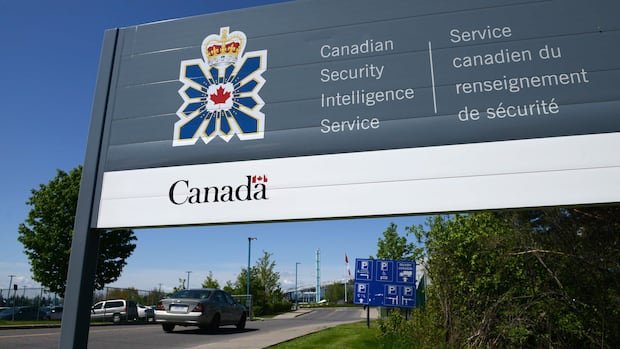
The Canadian Security Intelligence Service (CSIS) is voicing concerns over the potential impact on its investigations if the Liberal government’s security bill does not undergo necessary changes. CSIS officials, speaking anonymously due to the sensitive nature of their work, disclosed challenges in obtaining court-approved information from electronic service providers, hindering national security investigations.
The agency highlighted these issues during a recent briefing with CBC News regarding Bill C-2, a contentious piece of legislation introduced by the government. Originally aimed at enhancing border security, the omnibus bill also included provisions for lawful access and surveillance for CSIS and the RCMP. Following criticism, the bill was split, with border measures now part of the new Bill C-12, set to move swiftly through Parliament.
However, the fate of Bill C-2 remains uncertain. Public Safety Minister Gary Anandasangaree indicated that the bill will proceed with necessary amendments, without specifying a timeline. CSIS emphasized the urgency of legislative changes, stating that their operational effectiveness is diminishing without them. Currently, CSIS can request data from telecommunications companies with court-approved warrants, but encountering challenges due to provider limitations.
Privacy advocates and civil liberty groups have raised concerns about potential overreach in the bill. Critics argue that the proposed legislation grants excessive power to the public safety minister and compromises privacy rights. Section 15 of the bill, in particular, mandates service providers to facilitate lawful access requests, raising apprehensions about surveillance capabilities.
Despite the pushback, CSIS is not alone in advocating for legal access reforms. Intelligence watchdogs have highlighted the lack of tools and authorities for organizations like CSIS and the RCMP to access data during investigations. The National Security and Intelligence Committee of Parliamentarians (NSICOP) warned that these limitations could undermine Canada’s national security in the long run.
Legal experts and privacy advocates have expressed reservations about the broad scope of the bill and its potential implications on privacy rights. The ongoing debate underscores the delicate balance between security needs and individual liberties. Past attempts to address lawful access gaps have faced challenges, with concerns about maintaining a balance between security imperatives and privacy protections.
The unfolding situation underscores the complexities and controversies surrounding national security legislation in Canada, with stakeholders grappling with the intricate interplay between security imperatives and civil liberties.

