
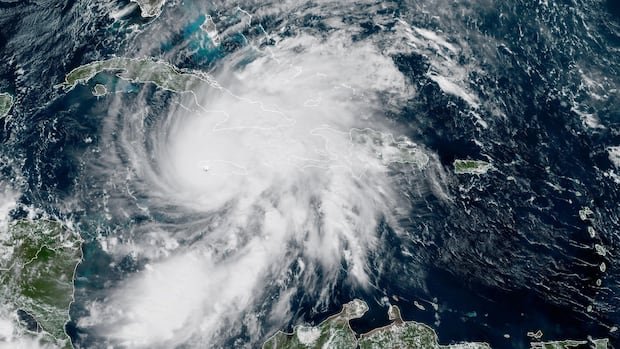
Millions of individuals throughout the Caribbean are grappling with the severe impacts of Hurricane Melissa, which swept through the area recently. Melissa underwent rapid intensification, characterized by a significant increase in maximum sustained wind speed within a 24-hour period. In this case, Melissa strengthened by 112 km/h during that timeframe, marking an instance of extreme rapid intensification.
The ongoing emission of CO2 from burning fossil fuels continues to contribute to global warming, leading to various alterations in weather patterns and the broader climate. Scientists are increasingly studying the influence of climate change on extreme weather events such as hurricanes, floods, and droughts. Organizations like ClimaMeter, which consists of climate scientists from around the globe, conducted a rapid attribution analysis of Hurricane Melissa, determining that both climate change and natural variability played roles in the storm’s development.
The warming of oceans is a key factor affected by climate change. Warmer ocean temperatures serve as the energy source for hurricanes, with the warm water fueling their intensity. The Caribbean Sea, for instance, currently experiences temperatures that are 1.4 to 2 degrees Celsius above average, significantly influenced by human-induced heat absorbed by the oceans. This phenomenon contributes to rapid intensification, as observed in several recent hurricanes in the Atlantic Basin.
Another independent analysis conducted by the Grantham Institute at Imperial College London utilized the Imperial College Storm Model (IRIS) to study Melissa. The analysis revealed that climate change amplified Melissa’s wind speed by approximately seven percent, equivalent to an 18 km/h increase. Despite the focus on rapid intensification, experts emphasize the critical aspects of hurricanes’ intensification as they approach land, highlighting the potential for significant damage.
Studies have shown that events like Hurricane Melissa are now four times more likely compared to pre-industrial times due to climate change. The destructive impact of such hurricanes is exacerbated by climate change, posing challenges for adaptation and resilience efforts in the face of increasingly powerful storms. As the planet continues to warm and hurricanes become more intense, the need for comprehensive strategies to mitigate and adapt to these extreme weather events becomes increasingly urgent.

