
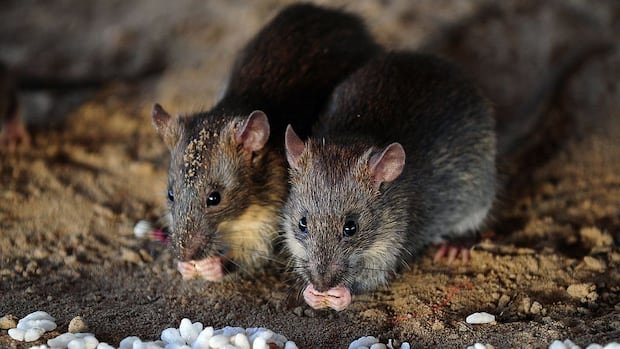
A recent study conducted by the University of Calgary has revealed that rats also experience increased appetite, commonly known as the “munchies,” when exposed to cannabis. Dr. Matthew Hill, a neuroscientist at the university, observed that rats exhibited a significant increase in food consumption after inhaling cannabis vapor.
Contrary to the belief that the munchies are merely a placebo effect, the study demonstrated that this phenomenon has a real physiological basis. The research team employed a novel method of delivering cannabis vapor to the rats, which differed from traditional injectable forms of cannabinoids used in previous animal studies.
The study, in collaboration with Washington State University, found that rats displayed a heightened desire for food even when they were not hungry prior to cannabis exposure. Interestingly, the rats showed a preference for various types of food, regardless of their composition, debunking the assumption that they would favor carbohydrates over other food groups.
The implications of these findings extend beyond rats and could have significant implications for individuals facing challenges related to appetite regulation. For instance, the study suggests that cannabis may hold potential in alleviating chemotherapy-induced nausea by suppressing nausea and stimulating appetite post-treatment. Additionally, there are speculations about the use of cannabinoids in managing conditions like anorexia by reducing anxiety and enhancing food reward to promote healthier eating behaviors.
Dr. Keith Sharkey, a researcher specializing in digestion and nausea at the University of Calgary, emphasized the importance of these findings in understanding the role of the cannabinoid system in regulating food intake and energy balance across mammalian species. The study sheds light on the physiological significance of the munchies phenomenon, highlighting its broader implications beyond human behavior.
While the study presents promising insights, registered dietitian Grace Beda cautioned against viewing cannabis as a definitive solution for patients struggling with appetite issues, especially cancer patients. Clinical research has not conclusively proven that cannabis leads to substantial weight gain, and alternative forms of cannabis consumption are recommended over smoking or vaping, particularly for individuals undergoing cancer treatment.
The study involved 82 participants inhaling vaporized cannabis, showcasing the diverse effects of cannabis on appetite regulation in both rats and humans.

