
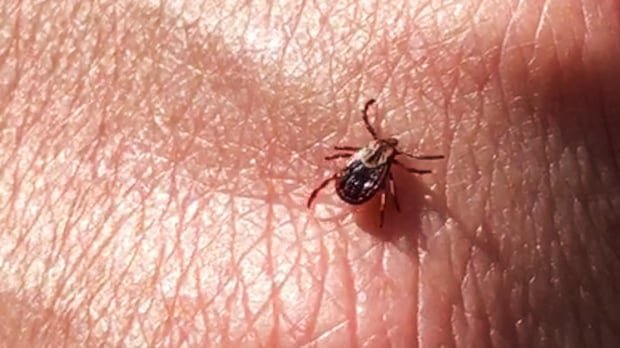
A recent study conducted by University of Ottawa researchers has revealed that the application of woodchips on trails in wooded areas can lead to a significant decrease in local tick populations. This low-tech solution could potentially reduce the risk of tick bites and the transmission of Lyme disease for individuals walking in forested areas.
The research team selected two locations within Ottawa’s Greenbelt – the Mer Bleue sector in the east and the Stony Swamp sector in the west. They divided 20 trail sections, each 50 meters in length, and treated them with either untreated woodchips or woodchips treated with the pesticide deltamethrin.
The results showed that using untreated woodchips led to a 50% reduction in tick numbers, while the application of woodchips treated with the pesticide resulted in a 99% decrease in tick populations, as reported by researcher Katarina Ost. The study highlighted the effectiveness of this method in controlling tick infestations.
Woodchips are effective in deterring ticks because these parasitic arachnids typically climb vegetation to attach themselves to hikers or animals. By placing woodchips on trails, the growth of vegetation that ticks rely on for climbing is inhibited.
Dr. Christopher Labos, a cardiologist and epidemiologist at McGill University, emphasized the importance of controlling tick populations to prevent the spread of tick-borne diseases such as Lyme disease. He noted that while woodchips can be a useful tool in reducing tick encounters, it is crucial for individuals to stay on designated paths to maximize the effectiveness of this method.
Further research is needed to establish a direct correlation between reducing tick populations and lowering the incidence of Lyme disease. Understanding the impact of these interventions on disease transmission is essential for developing effective prevention strategies in tick-infested areas.
In conclusion, the study underscores the potential of using woodchips to mitigate tick populations and highlights the importance of proactive measures in reducing the risk of tick-borne illnesses.

